
Natuurmonumenten
Visitor Centre De Wieden
The southern gateway to the park, on the water. Tel. 0527 205 660.

A hundred square kilometres of lakes, reed beds and peat canals, with the lakes of Giethoorn right in it. Explore the park by whisper boat, by bike or on foot.
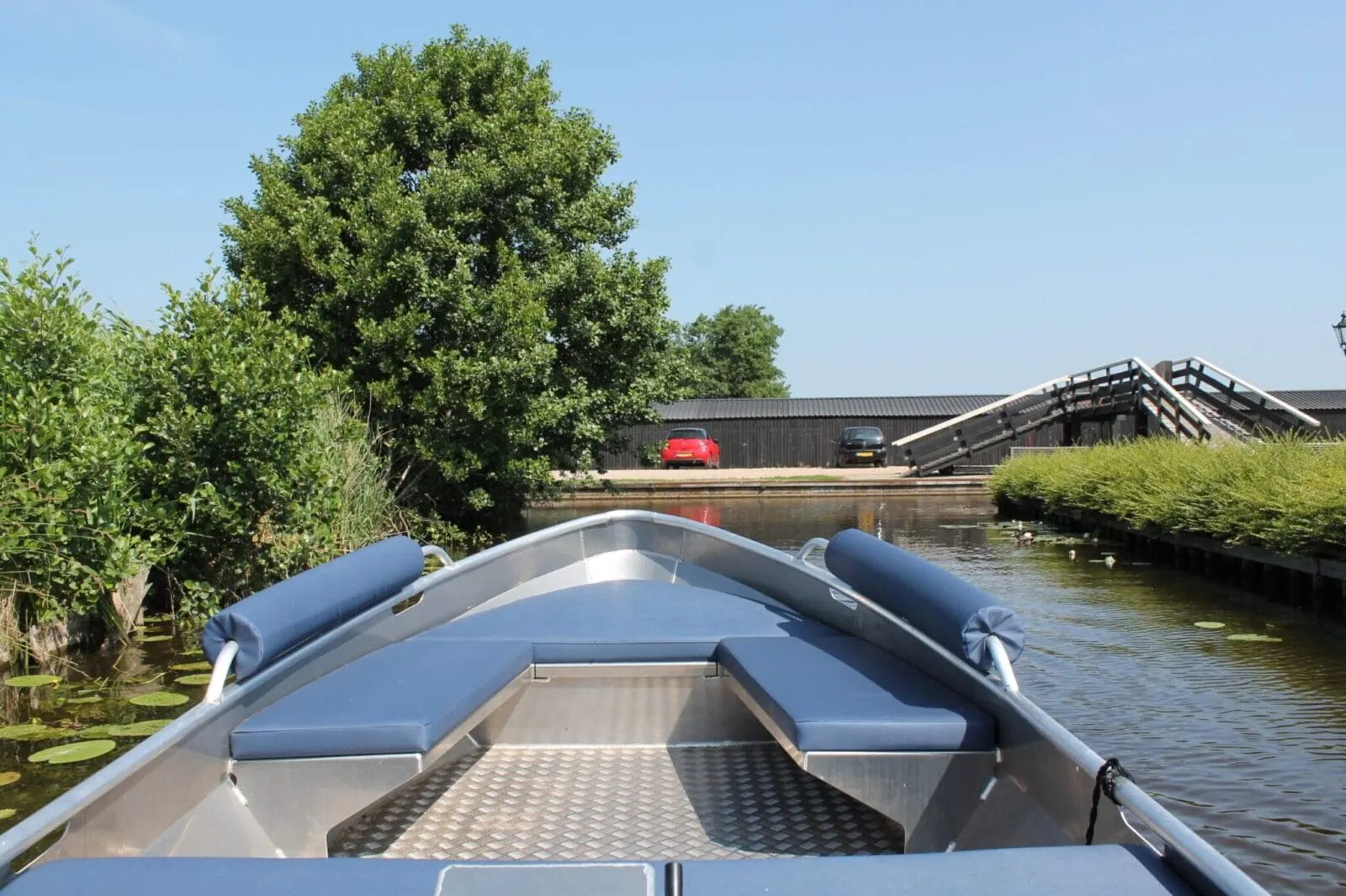
Weerribben-Wieden covers roughly 100 km² of water, reed and peat land in the north-west corner of Overijssel. The Weerribben became a national park in 1992; De Wieden, the southern half with the lakes around Giethoorn, joined in 2009. The area has been a Ramsar wetland of international importance since 2000.
The landscape was dug by hand: centuries of peat cutting left long strips of water and land, later flooded into lakes by storms. Natuurmonumenten and Staatsbosbeheer manage the park today, and about 1,000 hectares are still used for reed cultivation, which is why so many roofs in Giethoorn are thatched.
It is home to otters, black terns, sundew and water soldier plants. From a whisper boat you see it at eye level: reed beds, water lilies and birds that barely notice you.
The Bovenwijde lake next to Giethoorn is part of De Wieden, so you are in the park within minutes of leaving the dock.
Both centres have exhibitions, walking and cycling routes and up-to-date information on closed areas. Check their websites before you go; hours change per season.
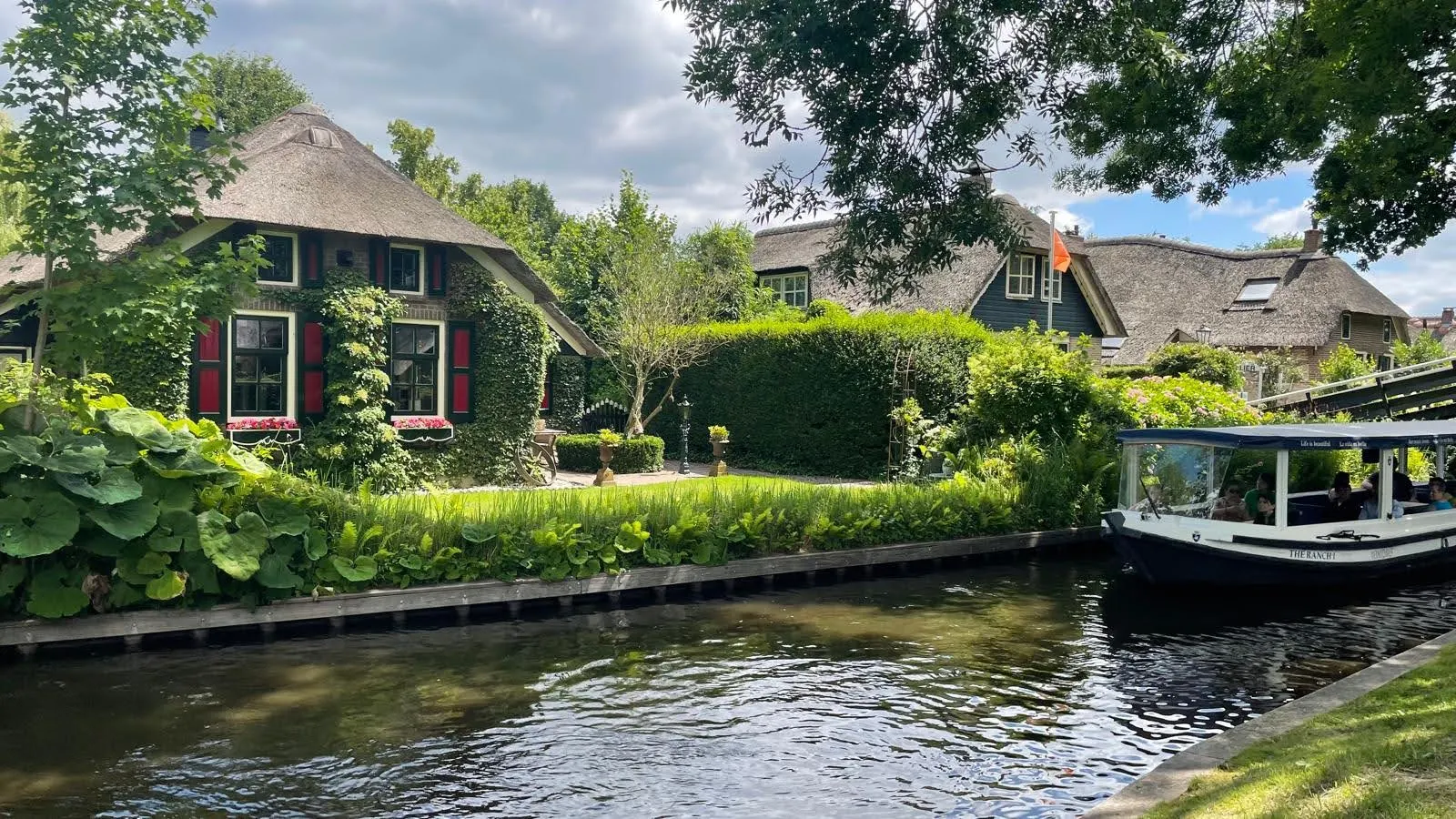
The southern gateway to the park, on the water. Tel. 0527 205 660.
Starting point for the northern half of the park, the Weerribben.
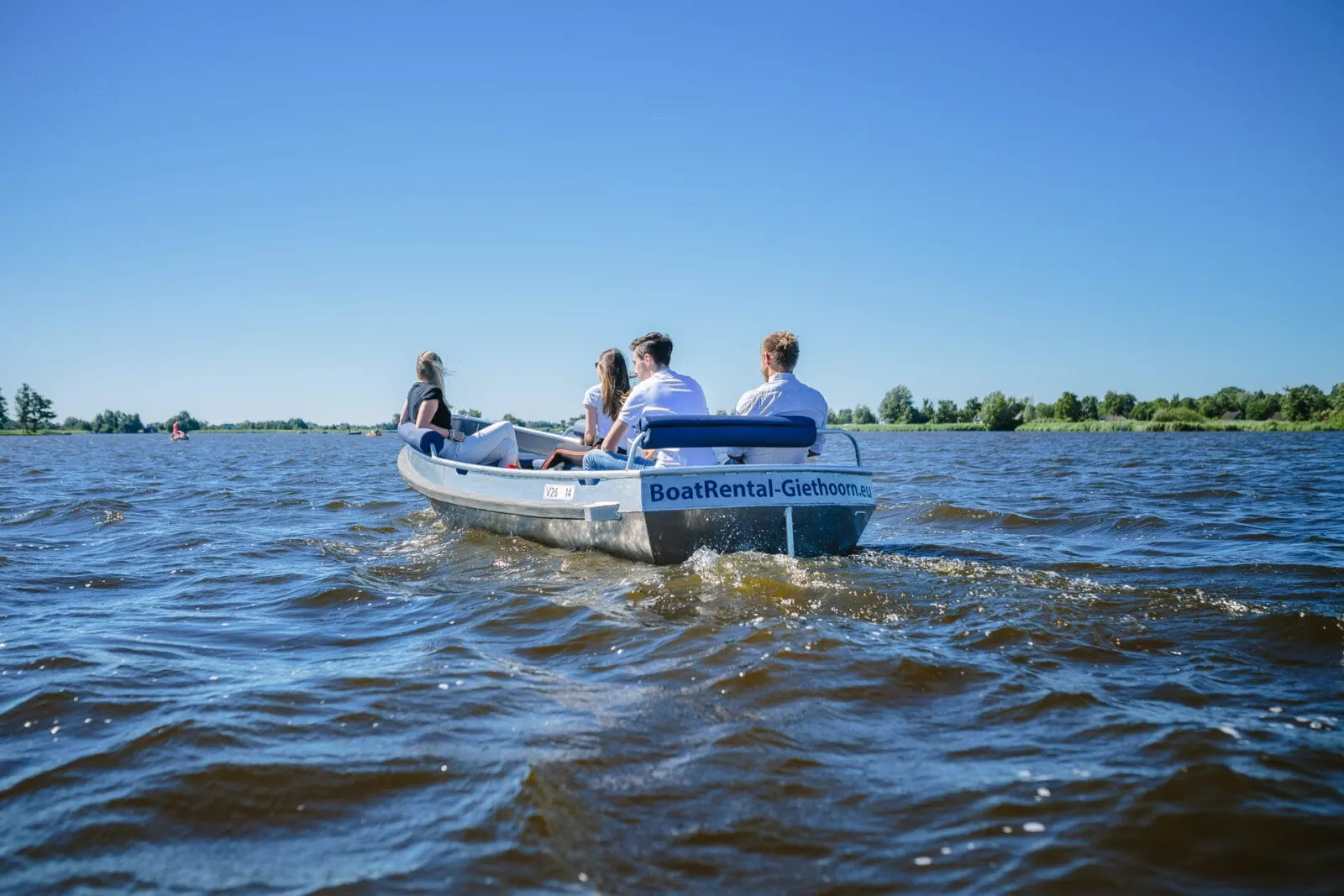
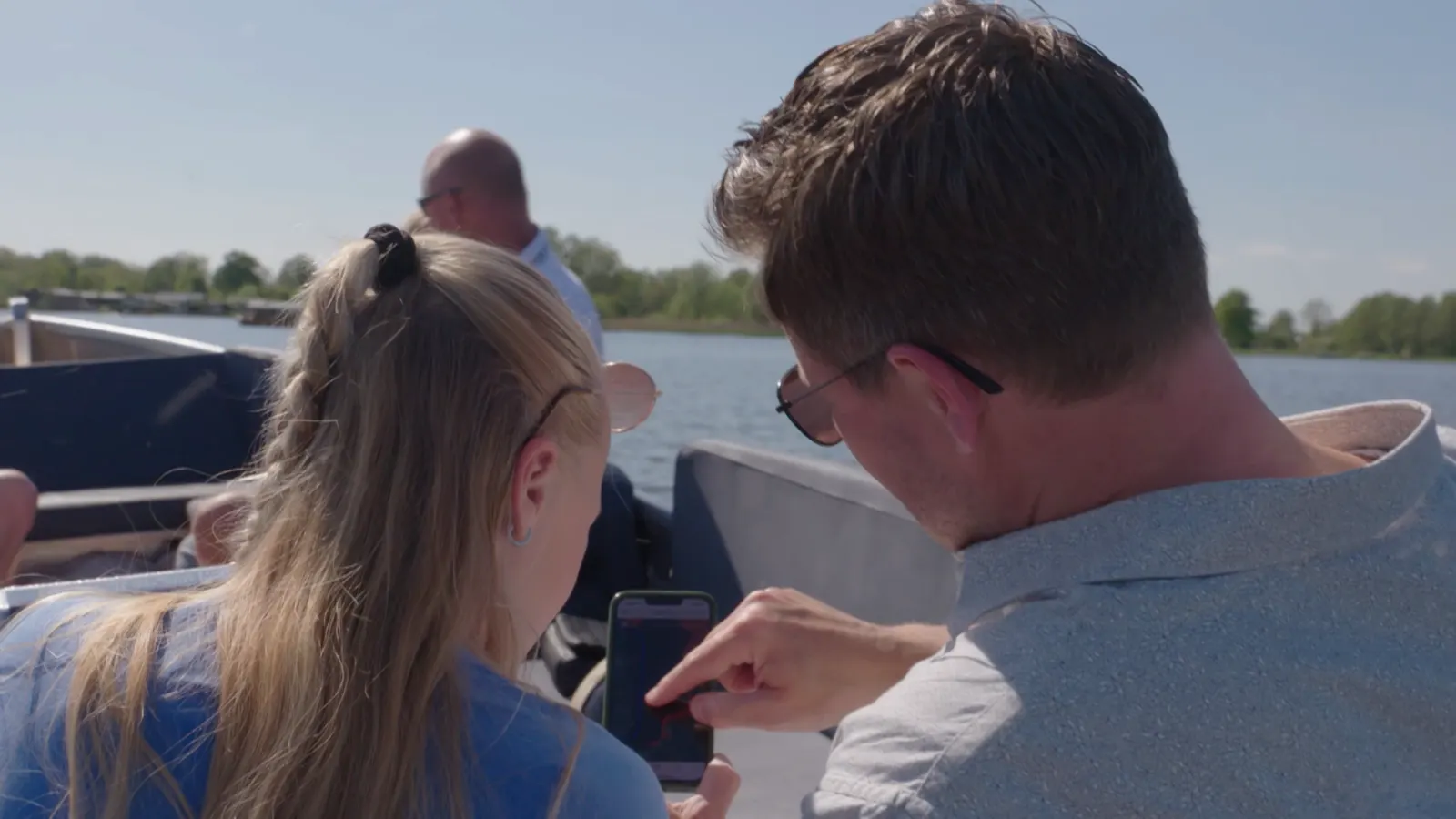
A whisper boat is the natural way to see a wetland: no noise, no fumes, and you can drift right up to the reed beds. Our navigation app shows the routes.
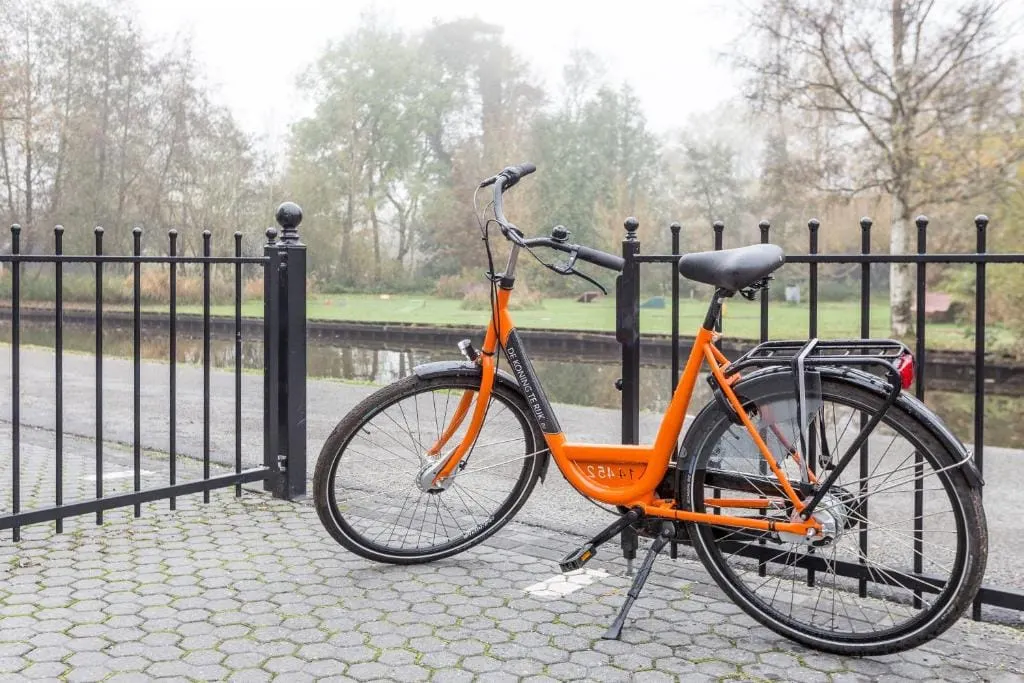
The Giethoorn to Ossenzijl loop is 43.7 km; Natuurmonumenten has a “De Wieden along Giethoorn” cycling route. Bikes from €10 a day at our dock.
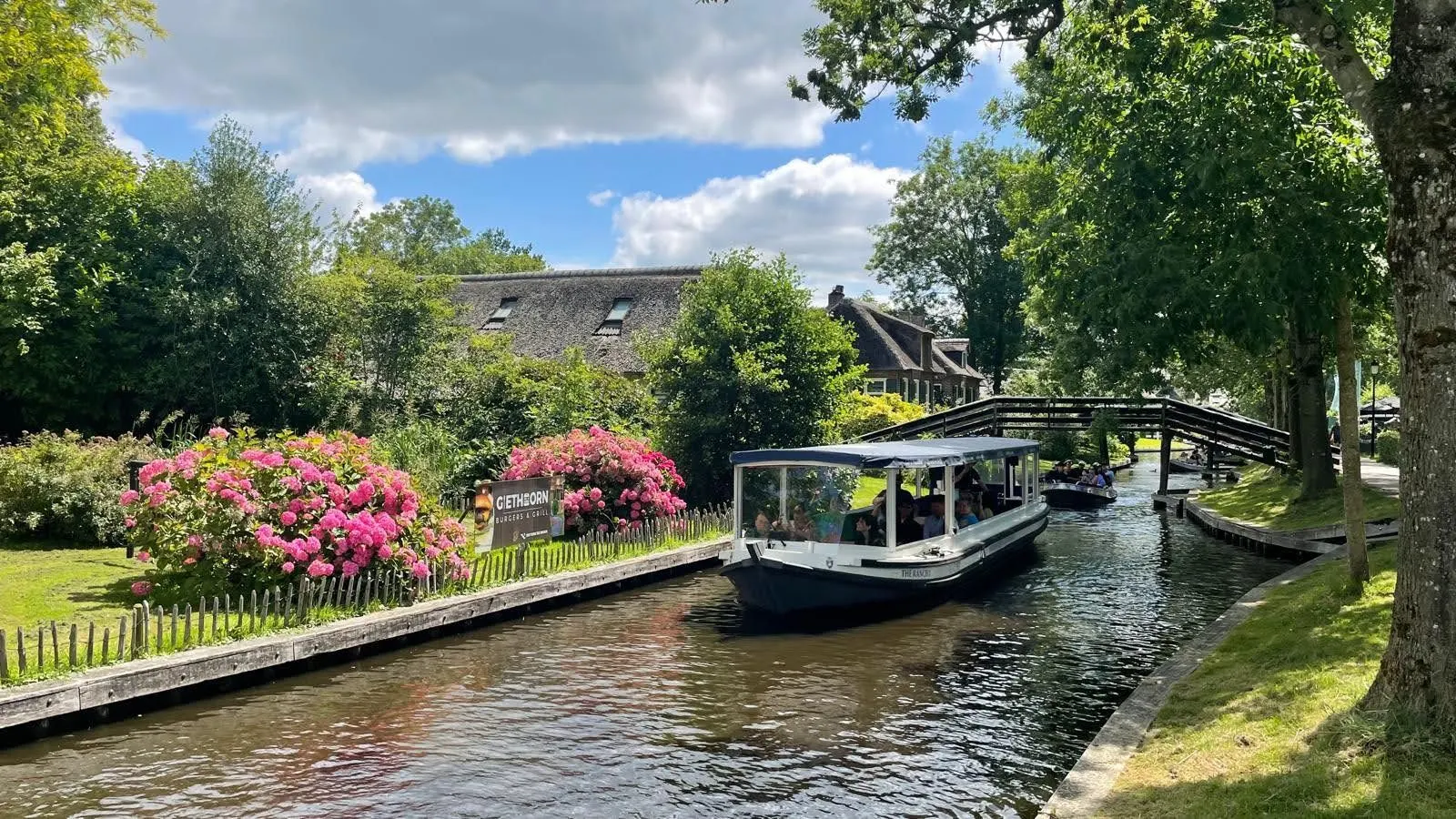
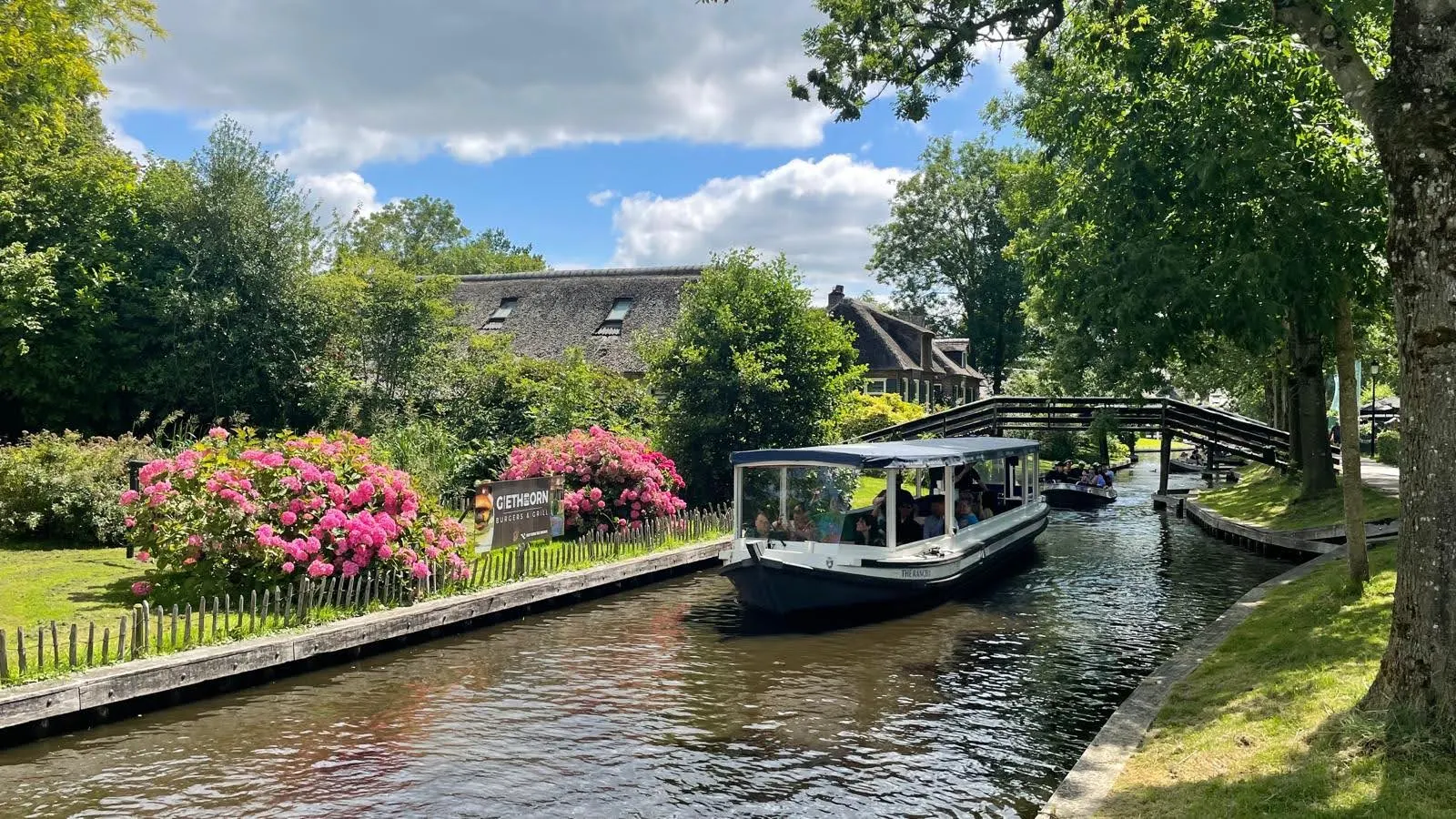
Prefer to sit back? Our canal cruise (€10 p.p.) sails the village and the lake; a private tour with skipper goes wherever you like.
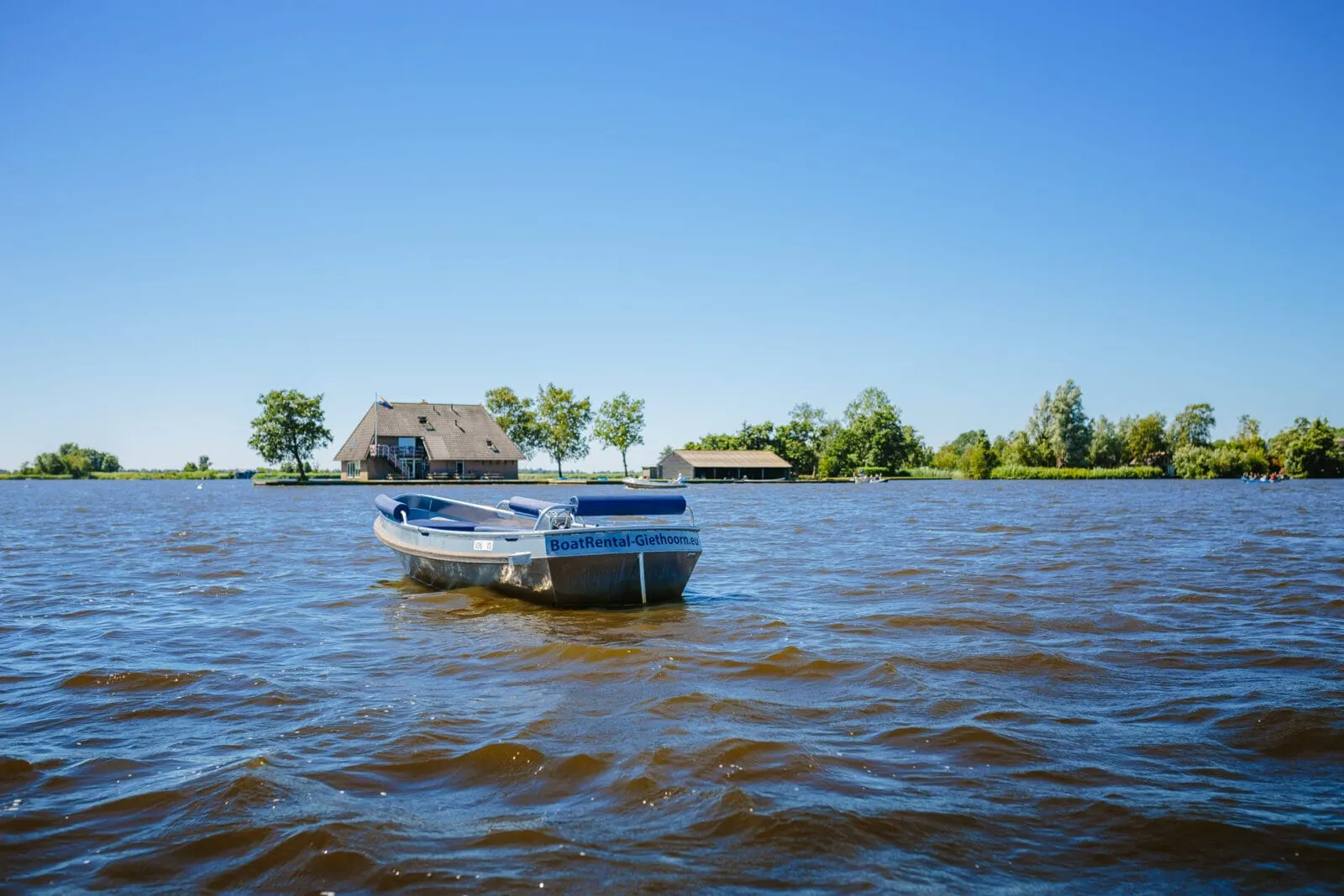
Canoes, kayaks and paddle boards are allowed in the park. Respect closed areas during the breeding season and keep clear of the reed cutters at work.
Parts of the park, both paths and waterways, are closed from 15 March to 15 July to protect breeding birds. Natuurmonumenten publishes an interactive map of the closed areas. Our marked routes stay on the village canals and the lakes, so you can sail all season; if you explore beyond them, check the map first.
Keep to the 6 km/h limit in the canals, keep right on open water and give way to the large cruise boats. More on the boating rules.
Village canals, the lakes and canals north of Giethoorn and the Bovenwijde in one 16.8 km loop. Bring a picnic basket and moor at a quiet spot along the reed. Four hours from €77 for a 4-person boat on weekdays.
Yes. The Bovenwijde lake beside the village is part of De Wieden. Our 2-, 3- and 4-hour routes all take you onto the lakes and canals of the park; the routes page shows them on a map.
About 100 km², roughly 10,000 to 11,000 hectares, which makes it the largest lowland peat marsh in north-west Europe.
No, the park is freely accessible. Check the websites of the visitor centres for their own opening hours and activities.
Otters live in the park, but they are shy and mostly active when it is quiet. Seeing one is luck; black terns, herons and other water birds are far more common from the boat.
Parts of the paths and waterways are closed from 15 March to 15 July. Natuurmonumenten publishes an interactive map. Our marked routes remain open.
The waterway from Giethoorn to Ossenzijl is 21 km, about 2 hours 40 one way, so more than five hours there and back. That only fits a full-day rental (6 hours of sailing) on a calm day. Talk to us at check-in before you set off.
Book a whisper boat online and sail from our dock straight onto the lakes of De Wieden.