
Home›Giethoorn, the Venice of the North
Visitor guide
Giethoorn, the Venice of the North
A village without roads, where boats are still the most natural way to get around. Everything you need to plan your visit.
About Giethoorn
One of the most picturesque water villages in Europe
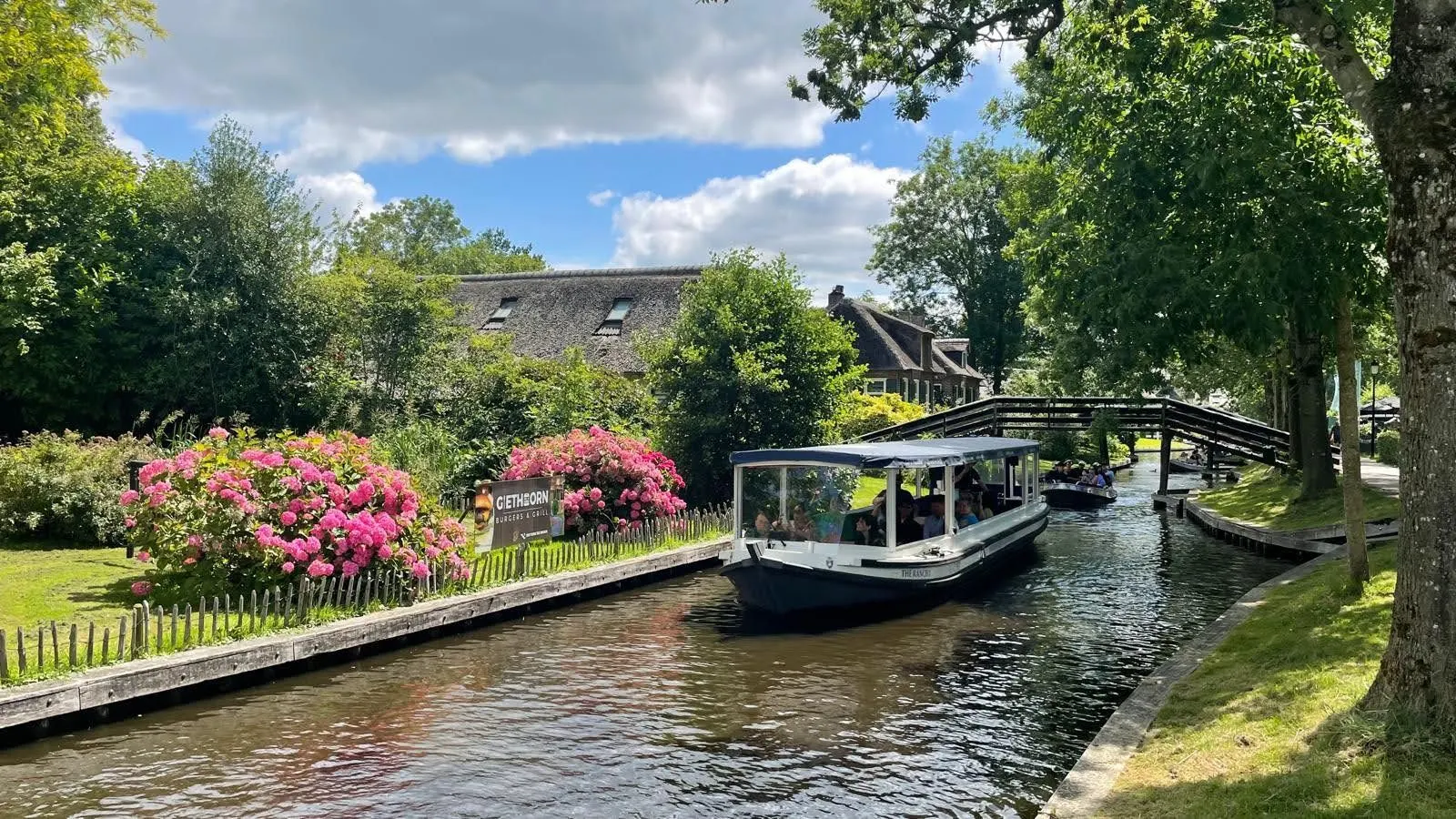
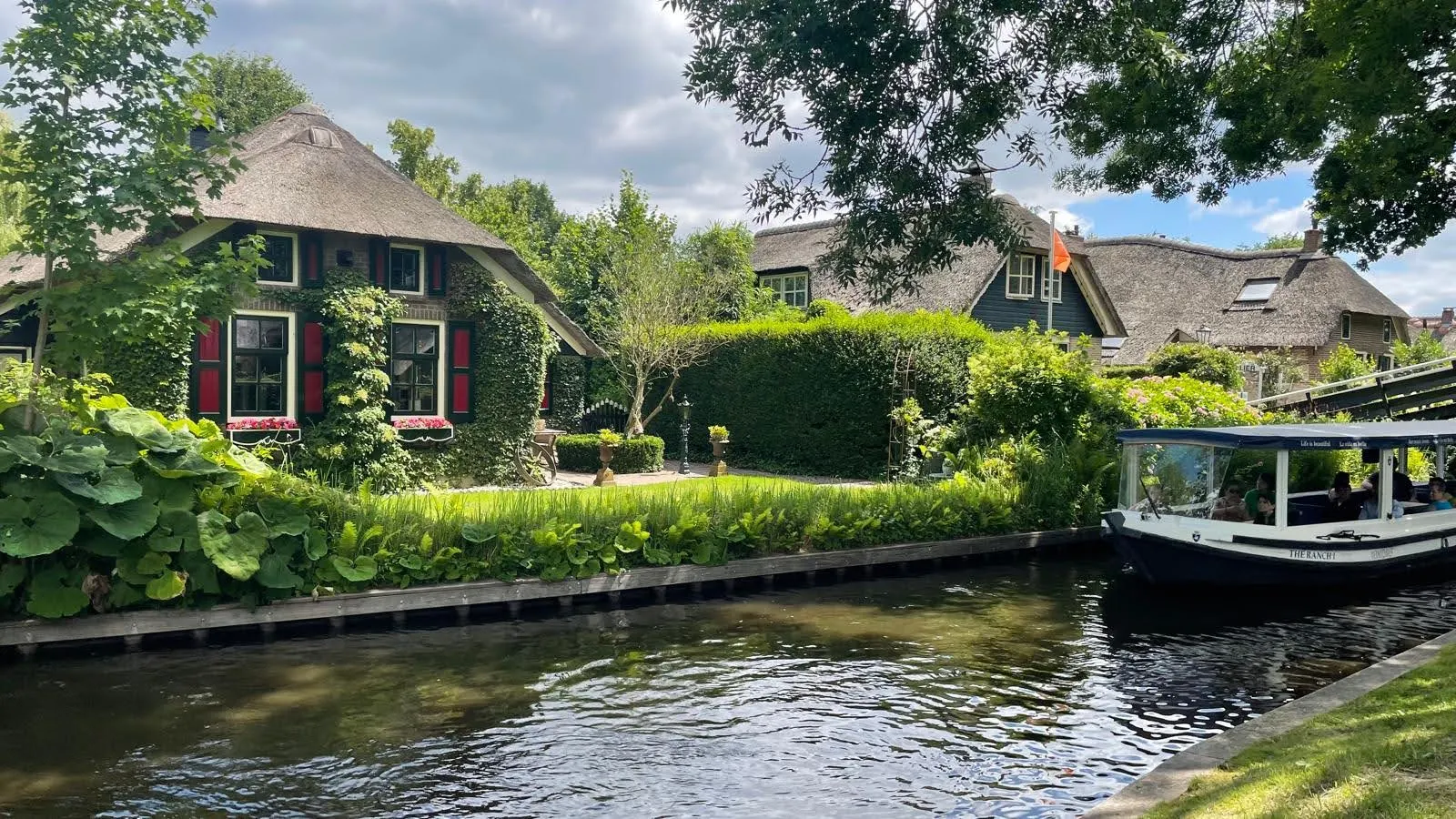
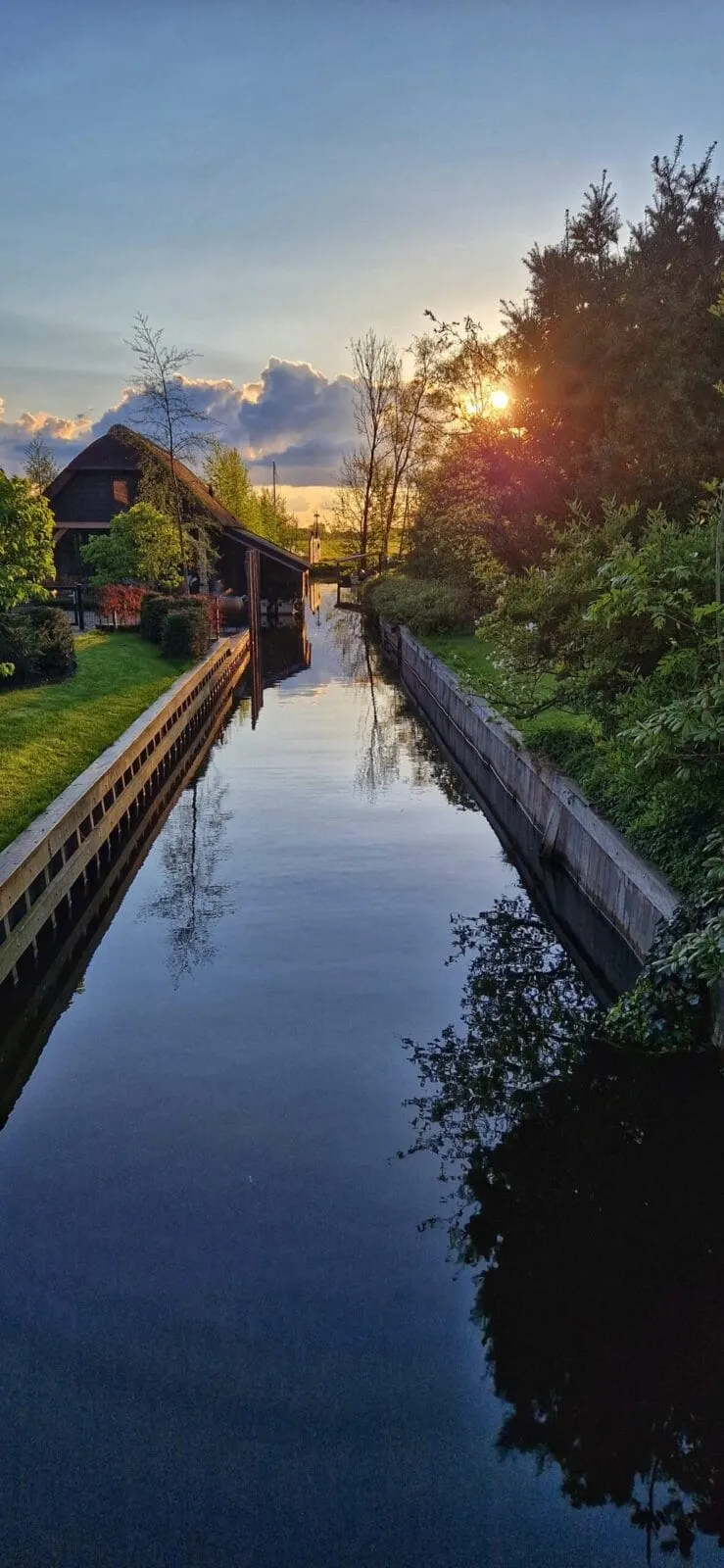
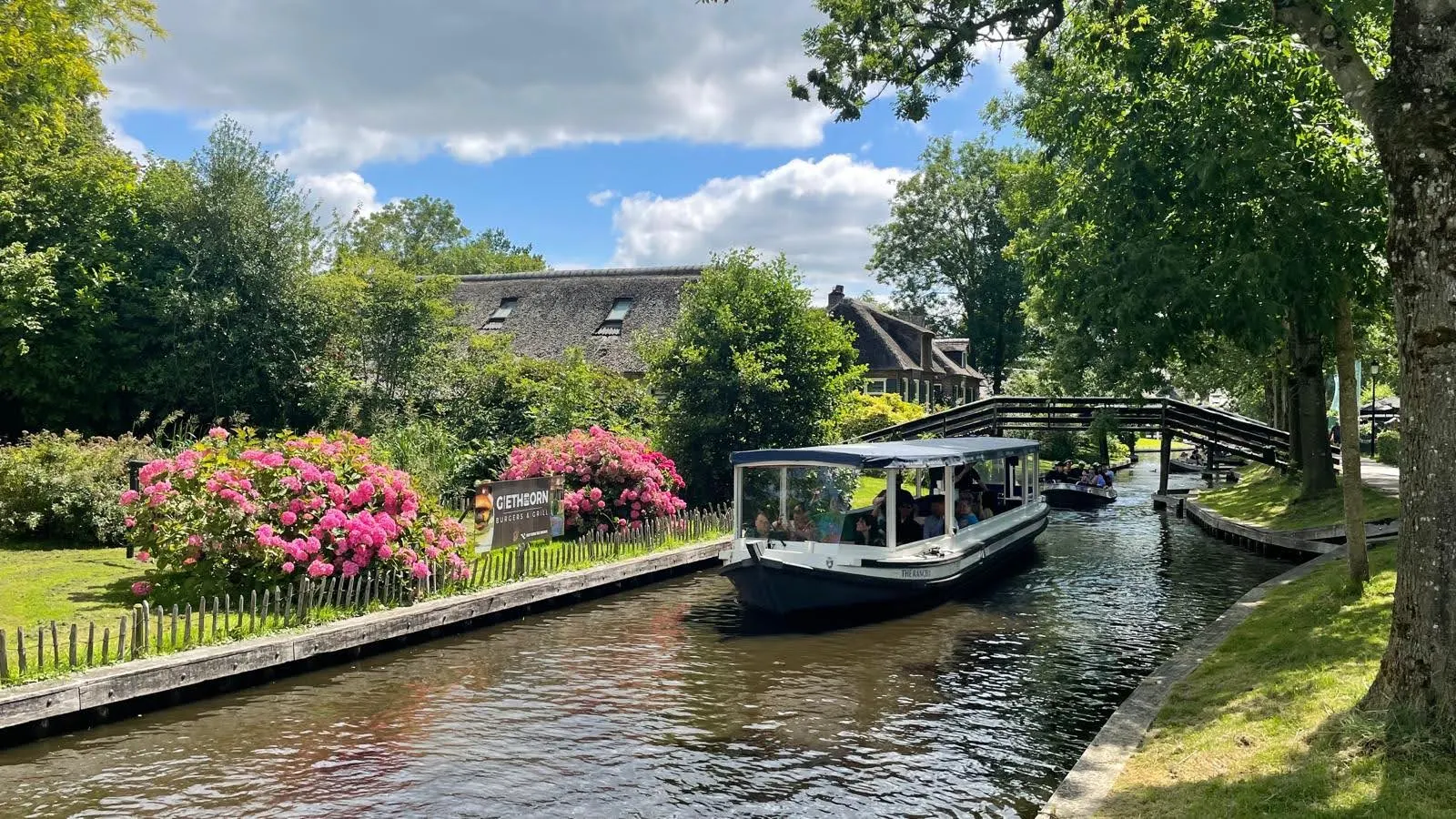
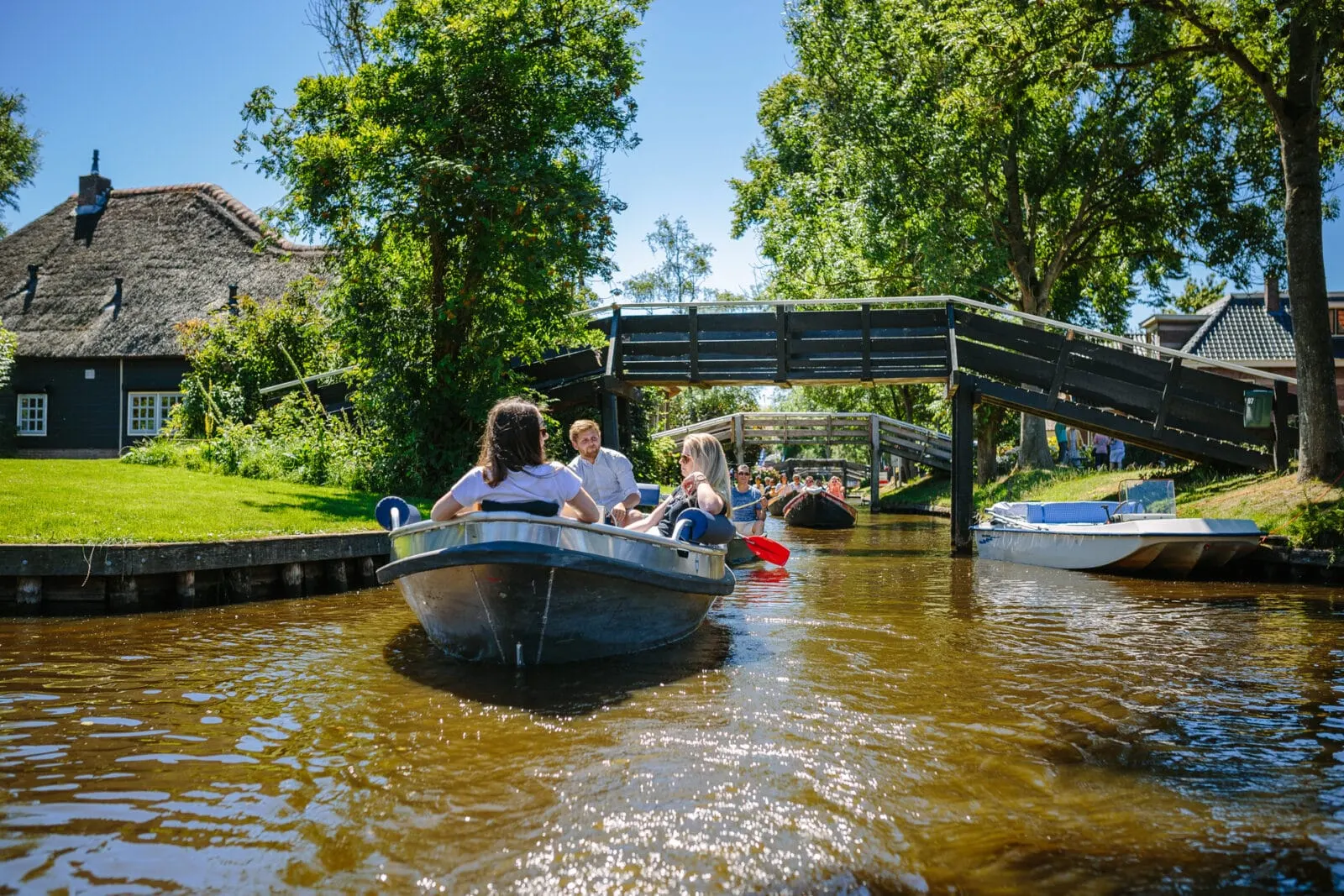
Giethoorn is known for its narrow canals, more than 150 wooden bridges and traditional farmhouses with thatched roofs. Visitors from all over the world come for its peaceful atmosphere, natural beauty and unique boat culture.
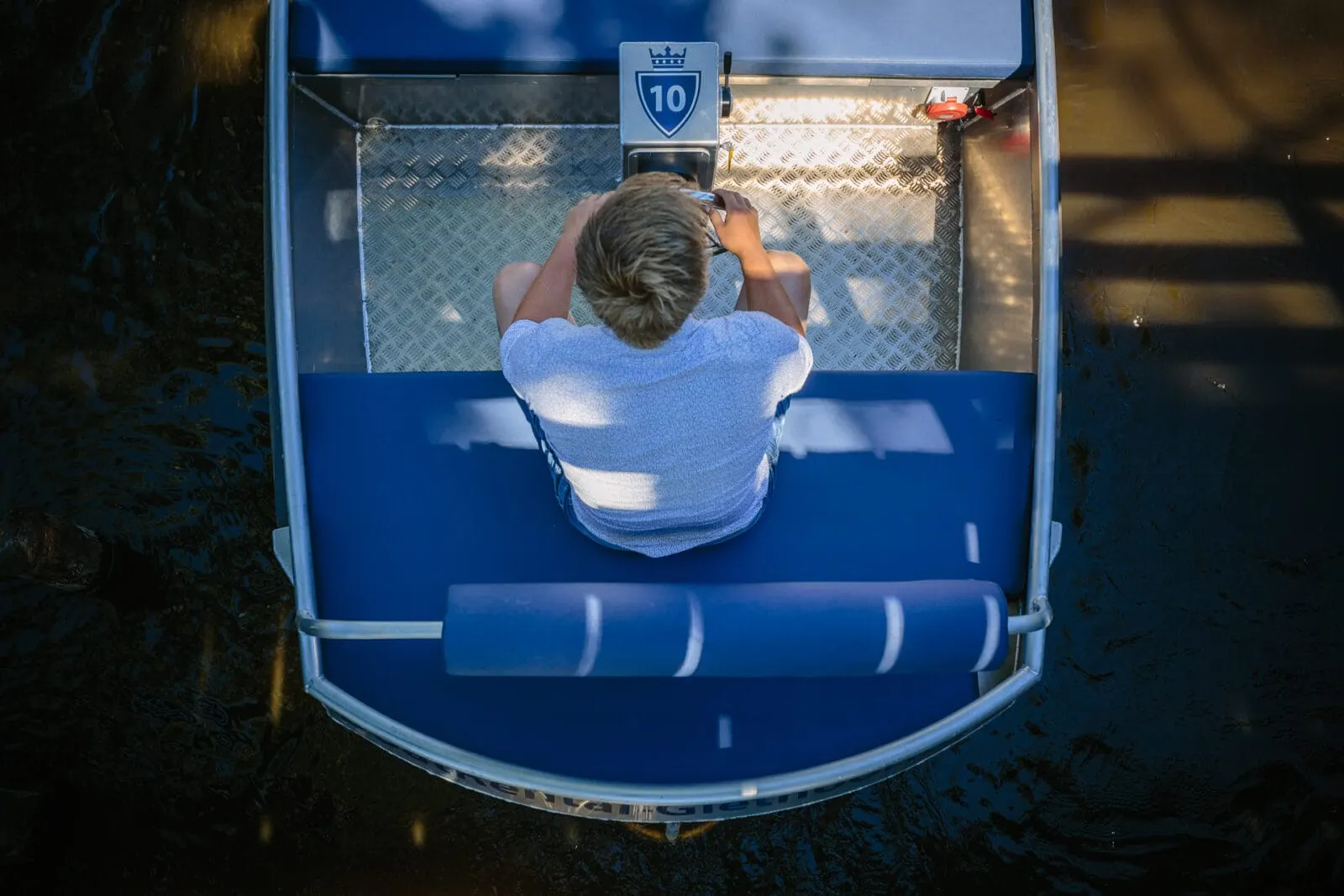
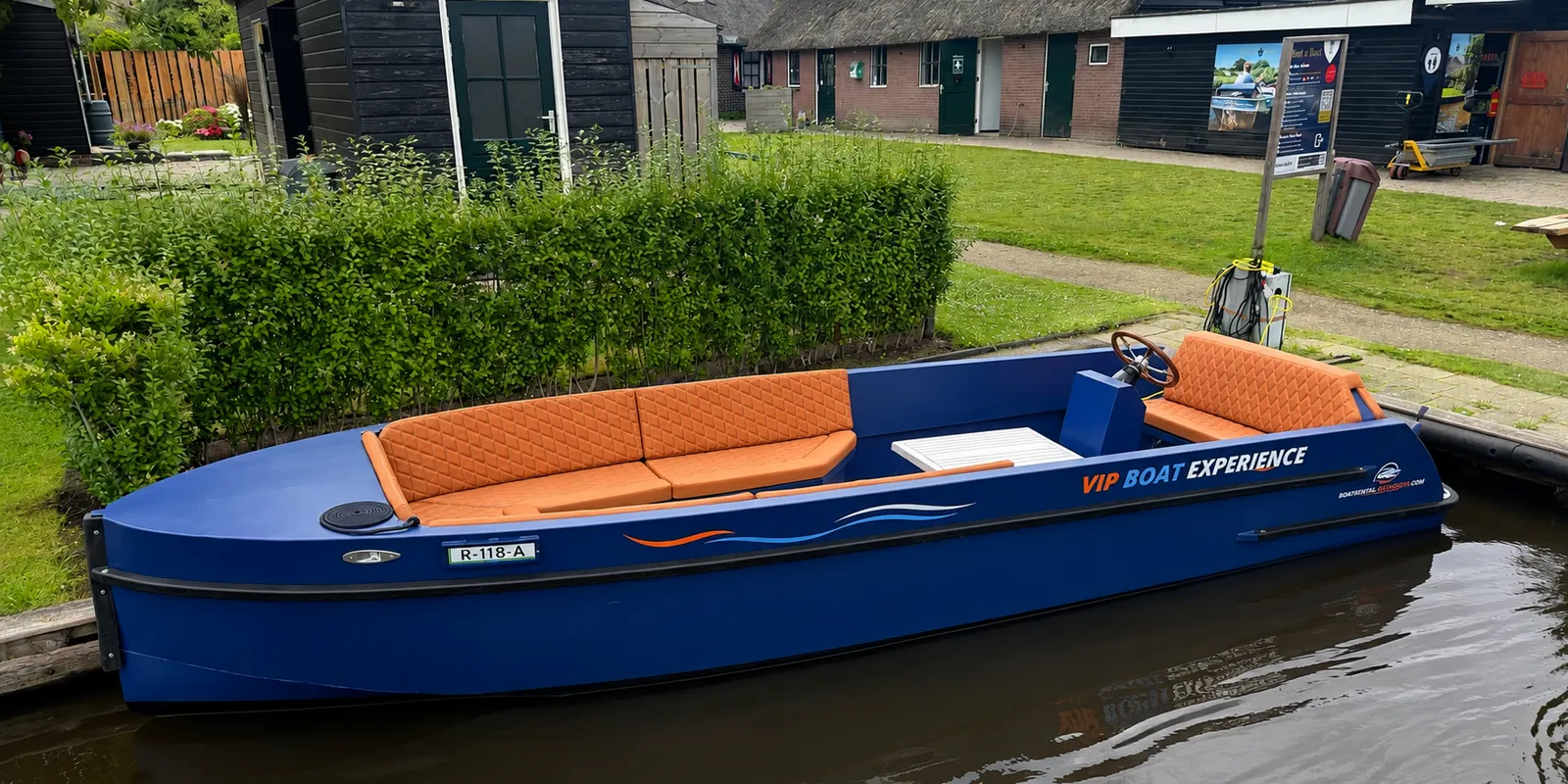
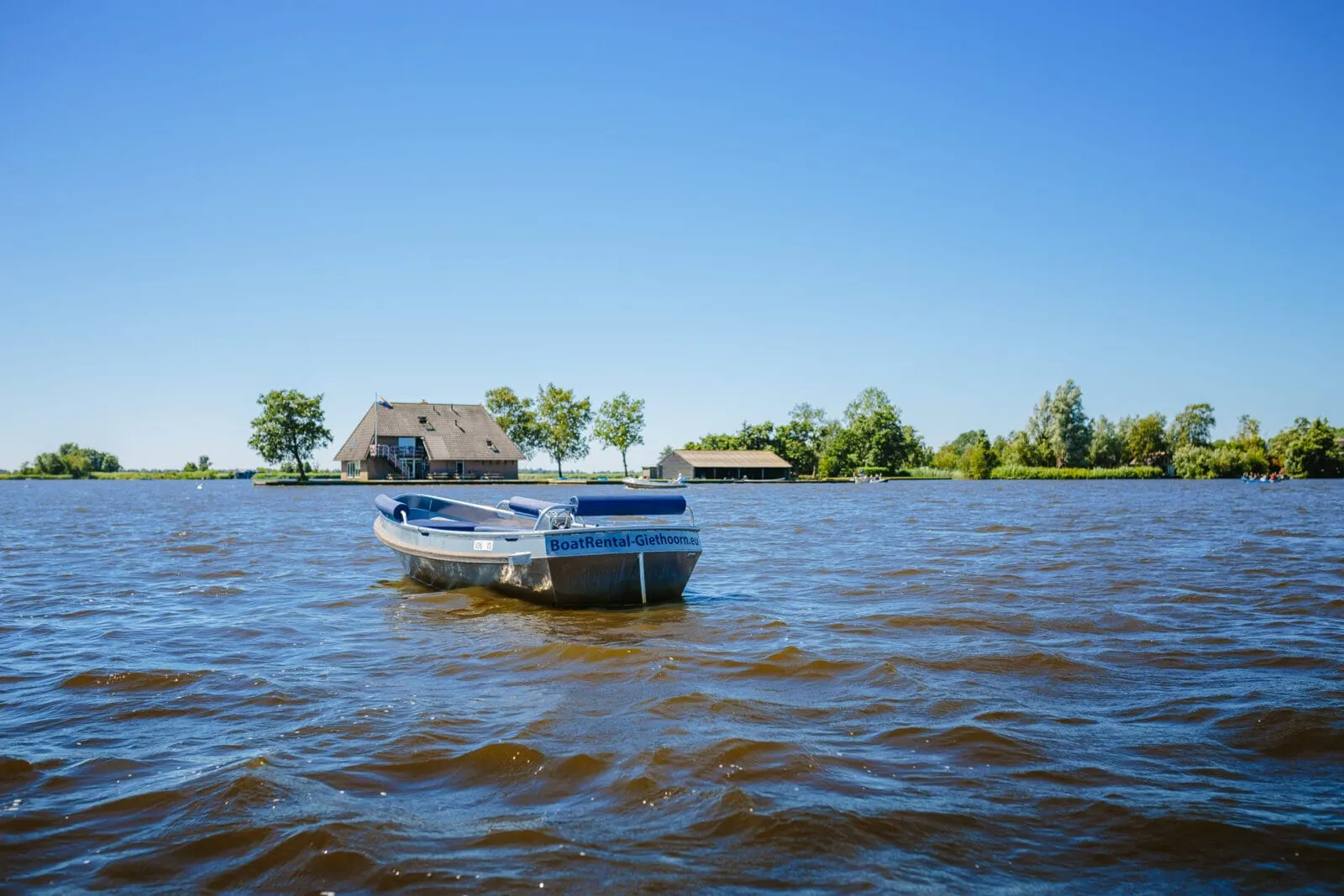
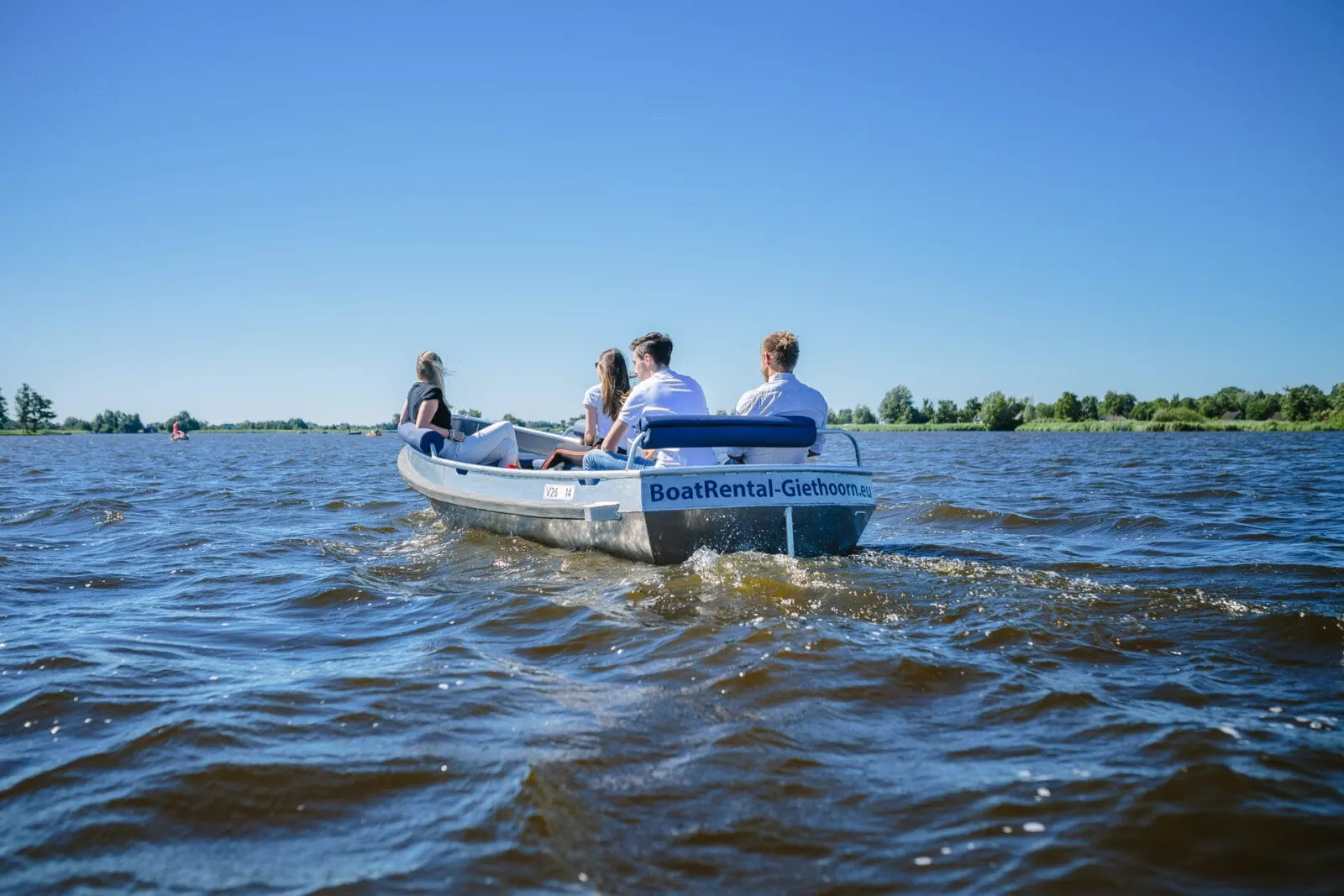
It is one of the most popular day trips in the Netherlands and the best way to experience it is from the water: rent your own electric boat or join a guided canal cruise with a local captain.
Why Giethoorn is so unique
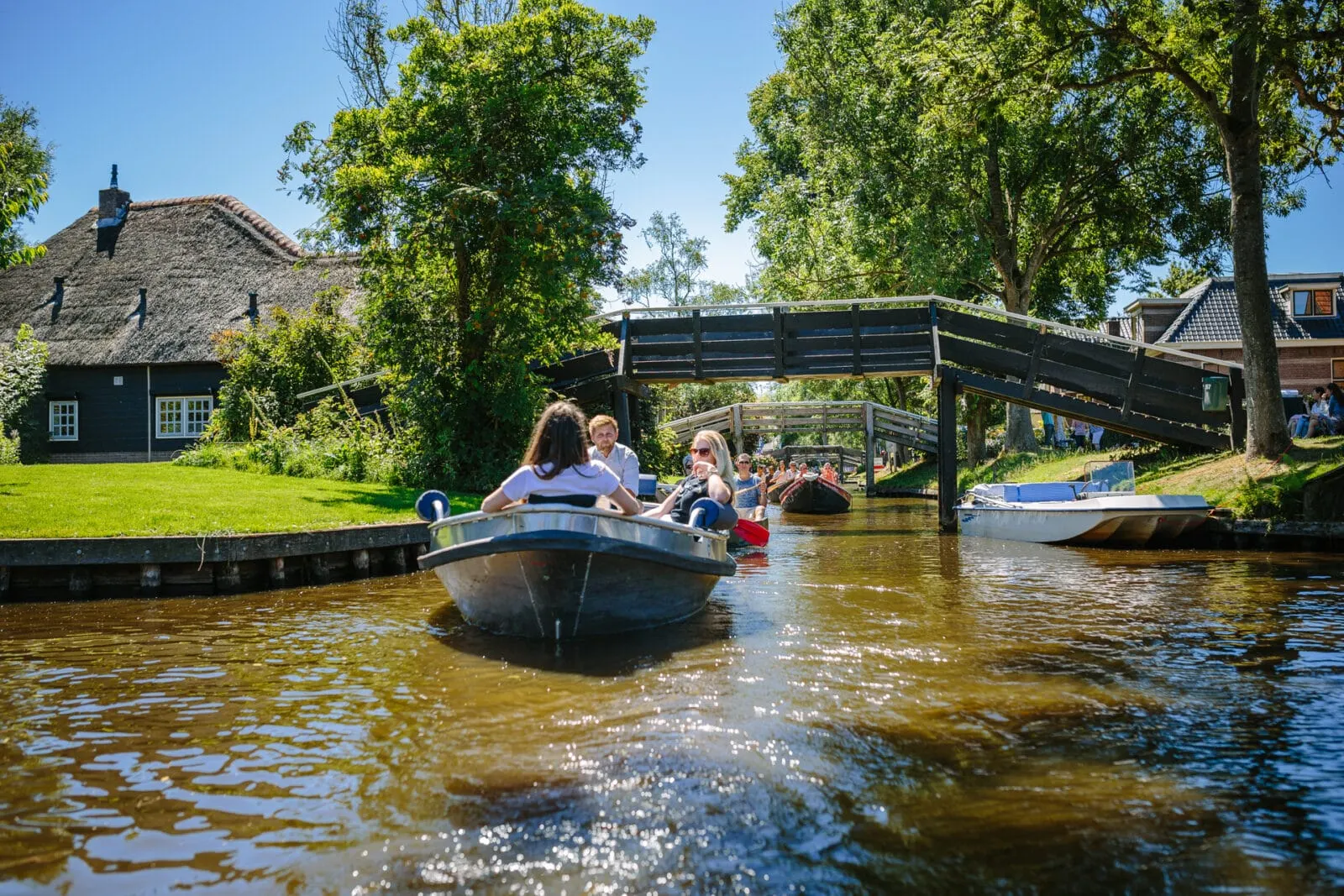
The historic centre has no busy roads. Along the water you will find historic thatched-roof farmhouses, wooden arch bridges, flower-filled gardens, calm narrow canals and open lakes. This combination makes Giethoorn one of the most photographed places in the country.
The Weerribben-Wieden national park
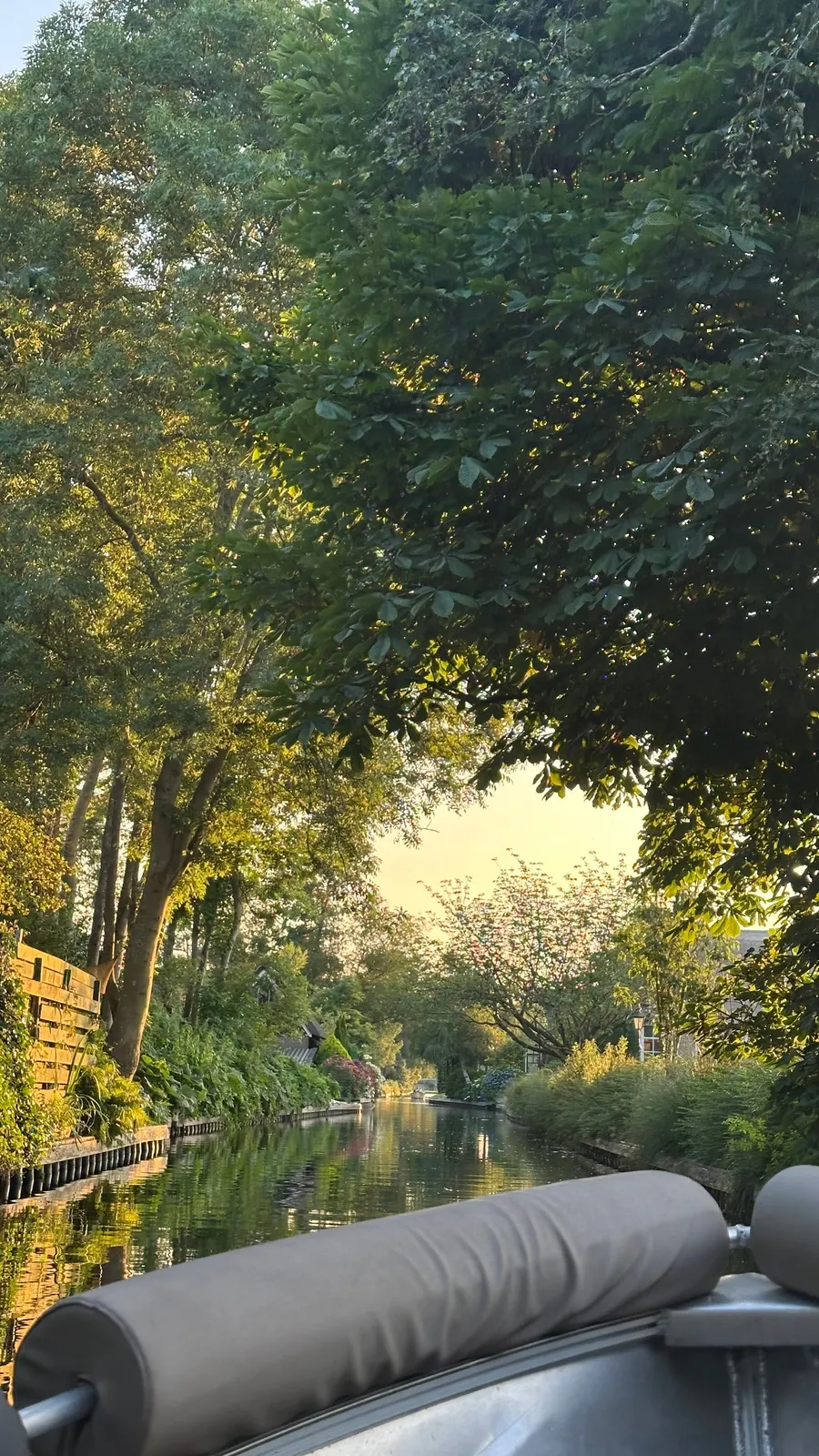
Next to the village begins the Weerribben-Wieden, the largest freshwater wetland in Western Europe: quiet nature routes, reed fields, open water and rare birds. Many boat routes from Giethoorn include parts of the park, so you experience nature and village in one trip.
How to get here
By car: Giethoorn is about 1 h 30 from Amsterdam, 1 h 15 from Utrecht, 50 minutes from Groningen and 30 minutes from Zwolle. Park for free at our location at the entrance of the village canal.
By public transport: travel to Steenwijk station and take bus 70 towards Giethoorn. Get off at stop Dominee Hylkemaweg; from there it is a short walk to our location. The bus runs roughly every 30 minutes during the day.
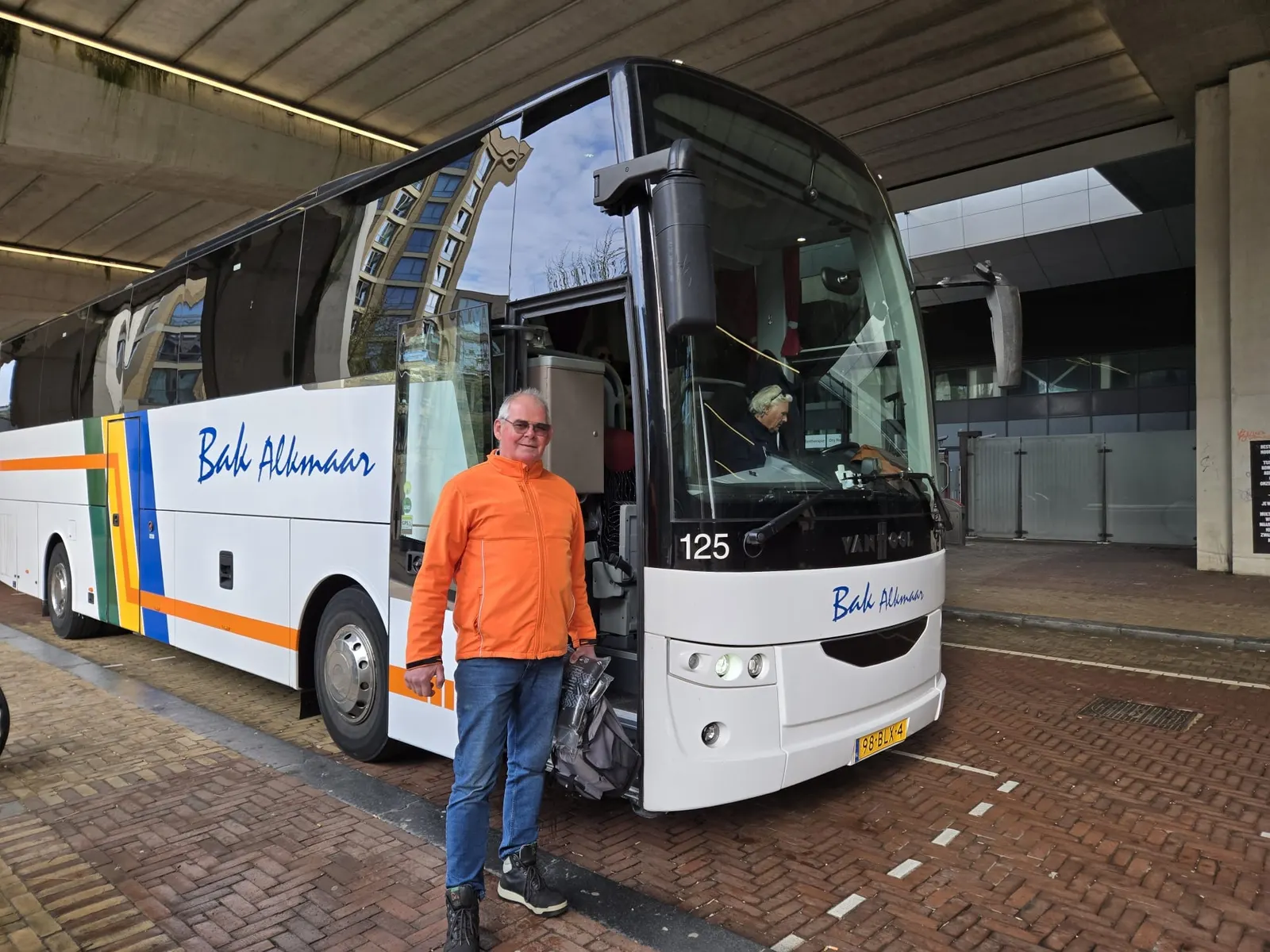
By coach: tour buses park directly at our location and groups check in within minutes. Or take our daily direct coach from Amsterdam.
Things to do in Giethoorn
The most popular activities are:
- Rent an electric boat
- Join a guided canal cruise
- Walk along the canals and bridges
- Visit Museum Giethoorn ’t Olde Maat Uus
- Explore the Weerribben-Wieden national park by boat or bike
- Enjoy the local restaurants and terraces
History
Eight hundred years of Giethoorn
Giethoorn is first mentioned in 1225. According to tradition, peat diggers settled here and, after the storm flood of 1170, found dozens of goat horns in the peat; ‘Geytenhorn’ became Giethoorn. Linguists prefer to read ‘hoorn’ as a corner of land jutting into the water, but the goat horns still decorate the village coat of arms today.
For centuries the village lived off peat. To carry the peat away, people dug canals and ditches, and the pits left by peat cutting merged during the storm floods of 1775, 1776 and 1825 into the lakes we know today, including the Bovenwijde. The houses ended up on small islands, reachable only by water or across one of the more than 176 little bridges, most of them privately owned.
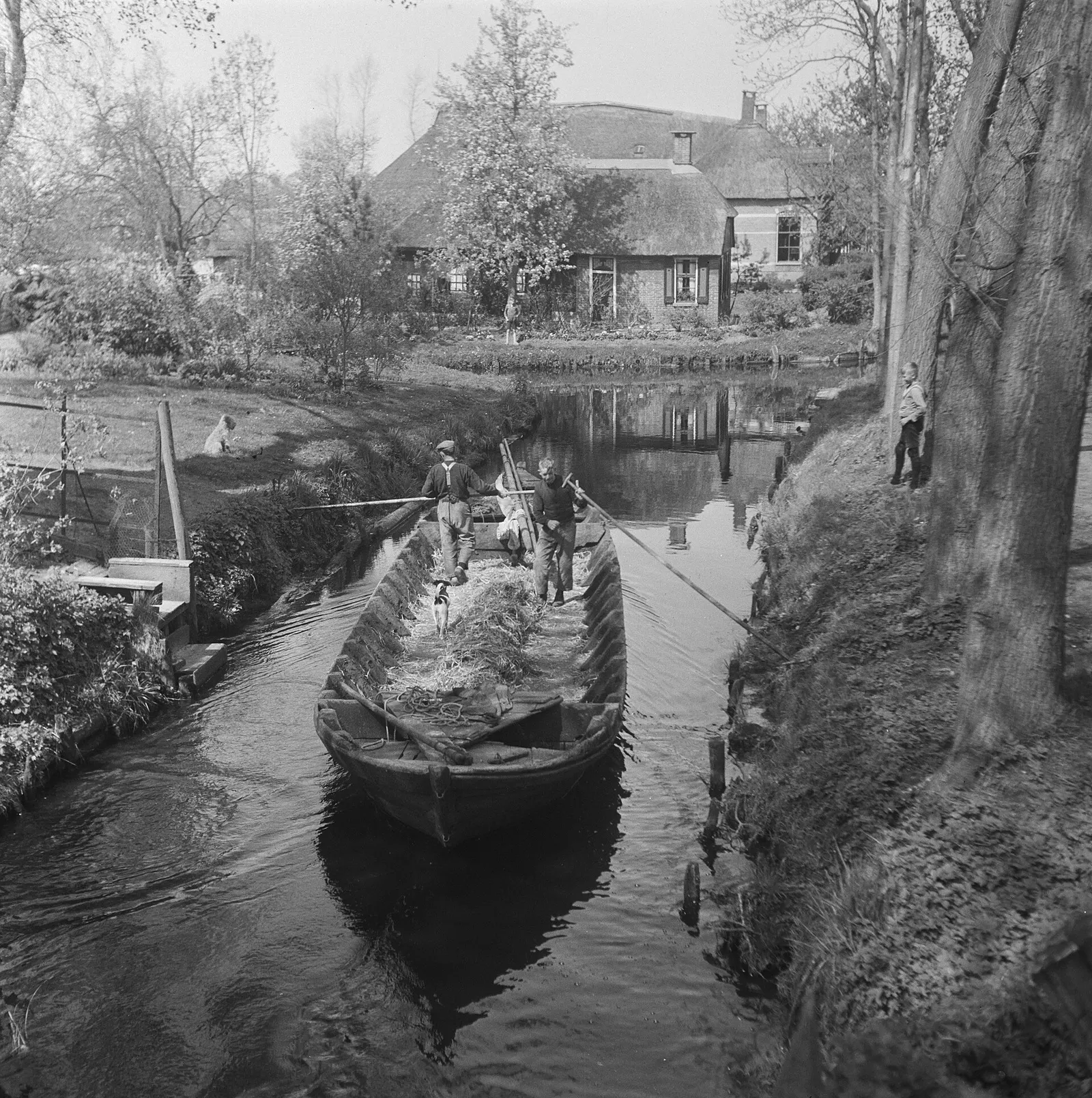
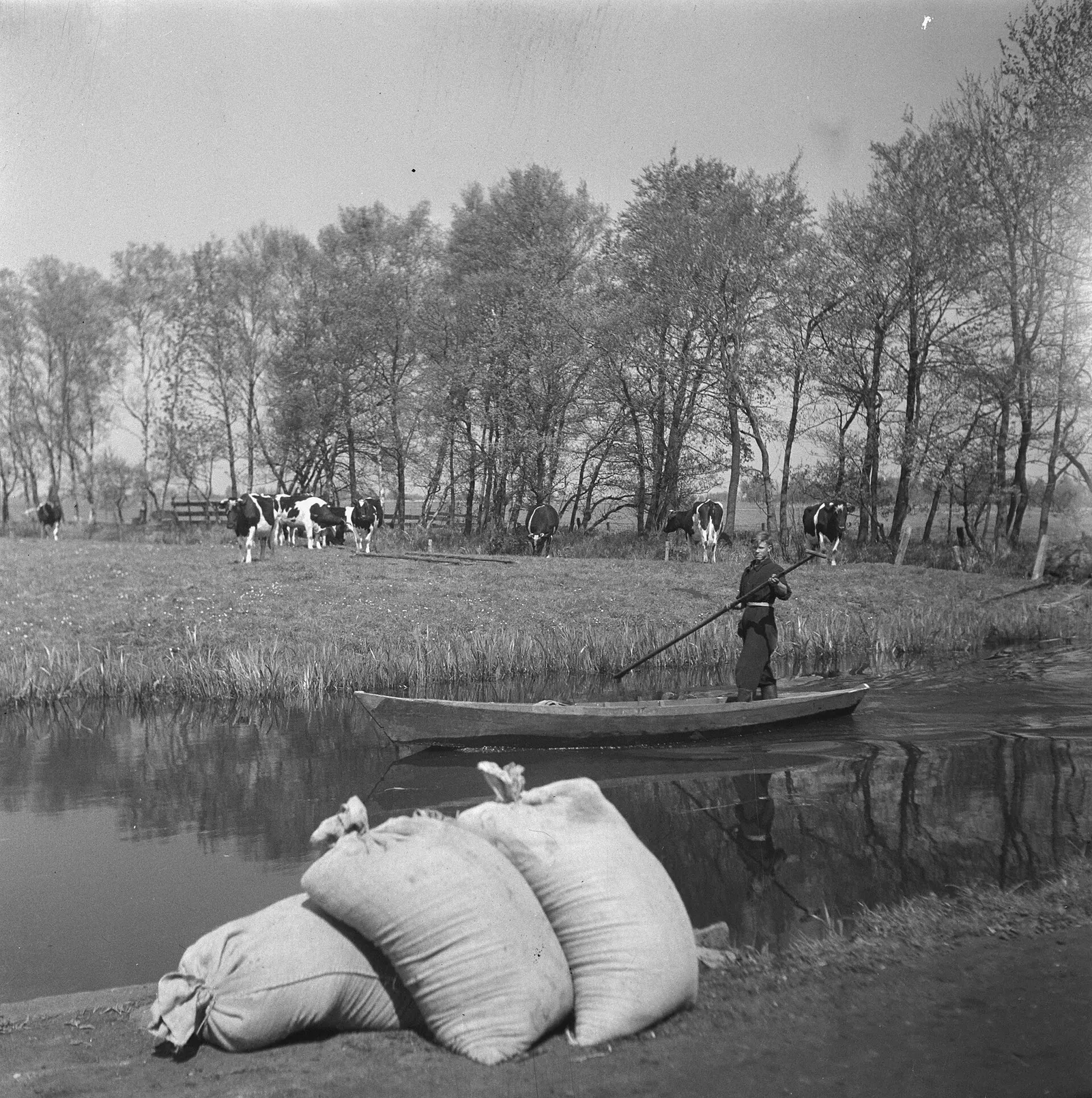
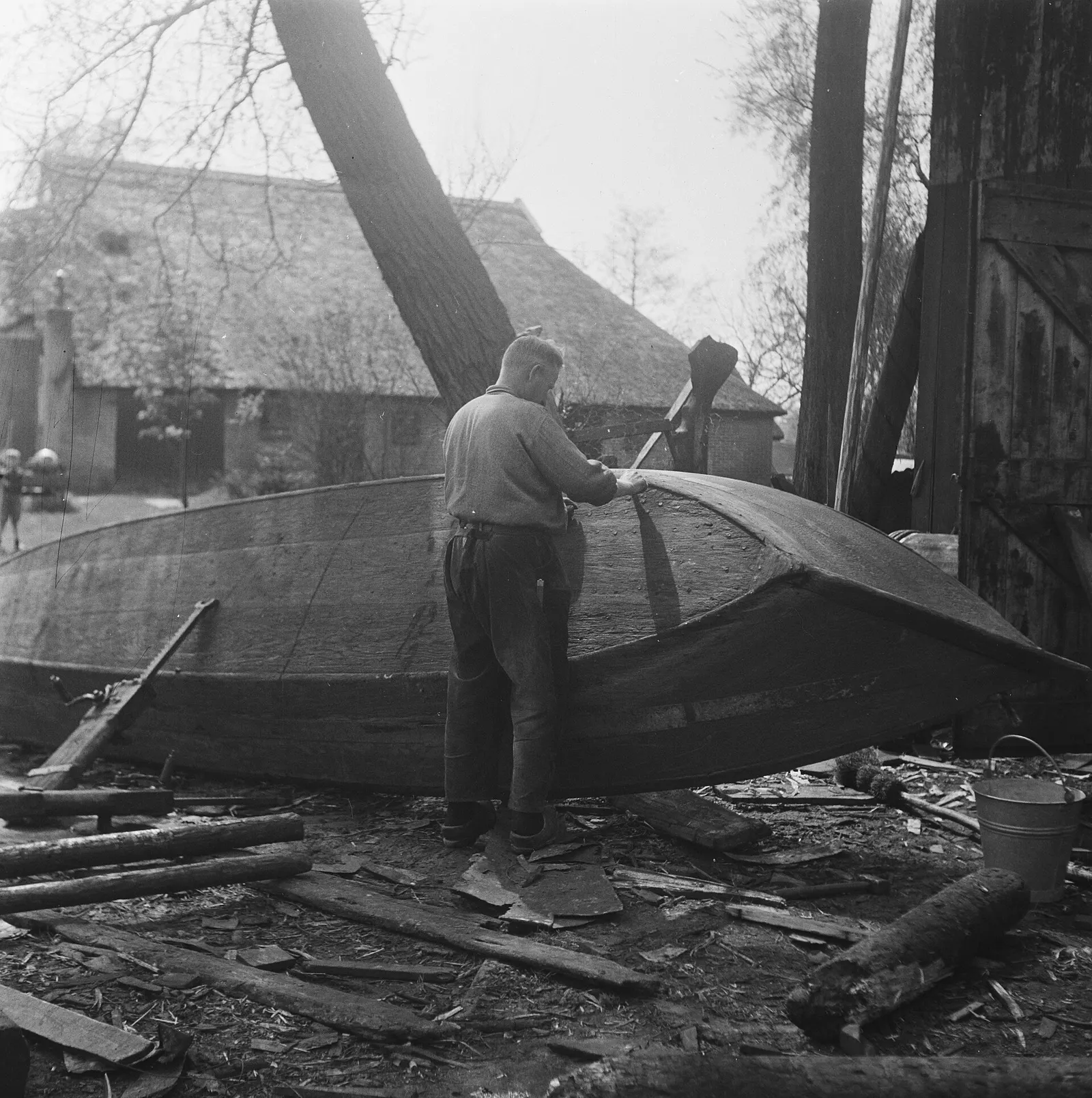
Transport went by punter: a flat, narrow wooden boat of just over six metres, pushed along with a pole. Four to six punter yards built them in the village. Hay, reed, cattle and even the coffin travelled by boat. The ‘humpback’ farmhouses with their thatched roofs, where the barn stands taller than the house, and the Binnenpad as the only through path on land, still define the scene.
In 1958 Bert Haanstra shot the film comedy Fanfare here, and the Netherlands discovered the village without roads. Since around 2005 visitors from China and the rest of Asia have come in large numbers too. Administratively, Giethoorn joined the municipality of Brederwiede in 1973 and Steenwijkerland in 2001. Today some 2,900 people live here and well over a million visitors come each year, most of them doing exactly what the locals have done for eight centuries: seeing the village from the water.
Timeline
Giethoorn in dates
- 1170
Storm flood; according to tradition, peat diggers afterwards find the goat horns that give the village its name.
- 1225
First written mention of Giethoorn.
- 1551
A Mennonite congregation is founded, one of the first in the Netherlands. Its 1871 church, De Vermaning, still stands on the Binnenpad.
- 1775–1825
Three storm floods join the peat pits into today’s lakes, including the Bovenwijde.
- 1800
Around this time the village has some 1,450 inhabitants, almost all peat cutters, reed cutters and farmers.
- 1953
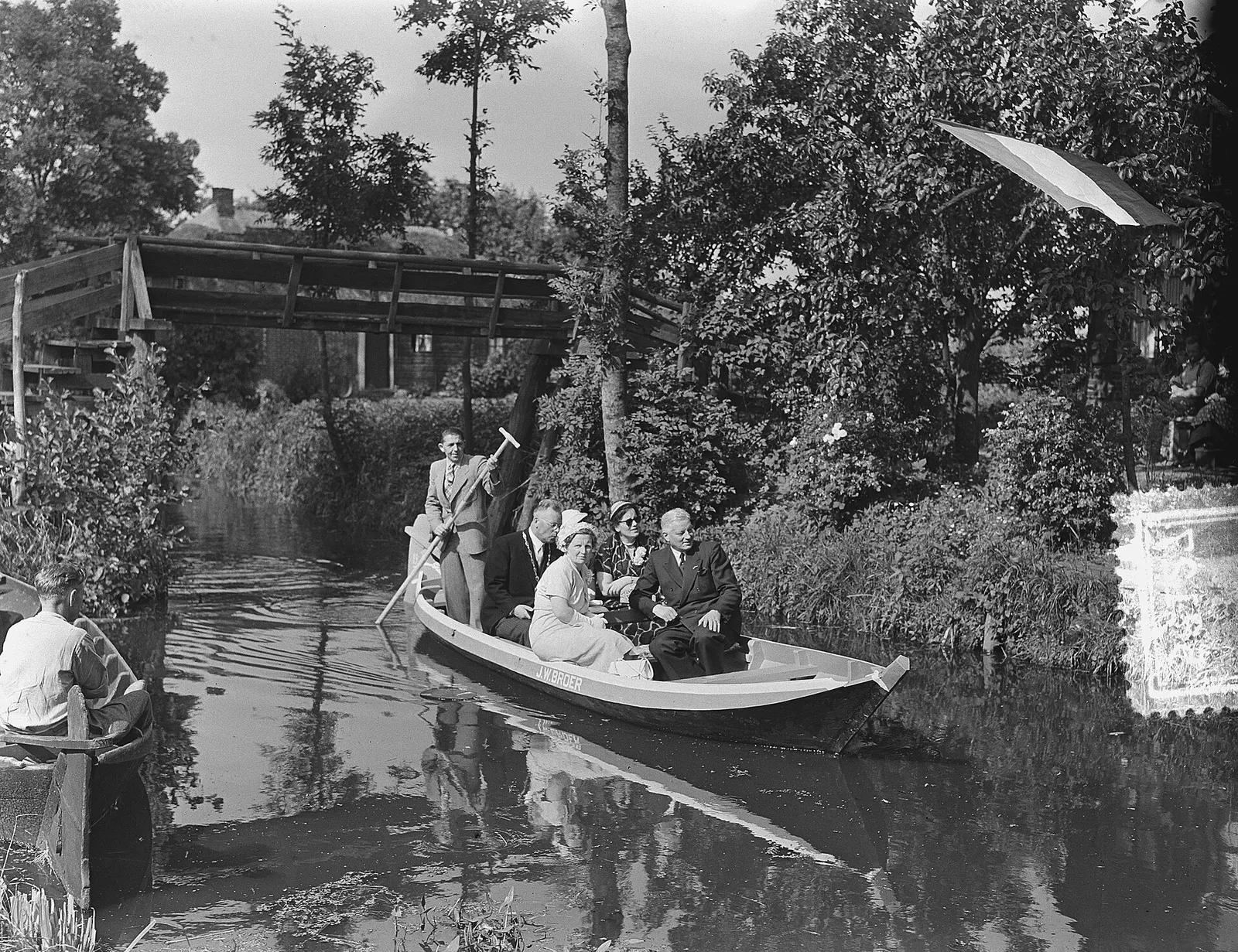
Queen Juliana visits Giethoorn and is presented with a miniature punter.
- 1958
Bert Haanstra films Fanfare in the village; tourism takes off.
- 1973
Giethoorn becomes part of the municipality of Brederwiede.
- 2001
Brederwiede becomes part of the municipality of Steenwijkerland.
- 2005
Giethoorn is discovered by visitors from China; today well over a million people come each year.
- 2015
Giethoorn wins a place on the world edition of Monopoly, the only village among world cities.
- 2017
Boatrental Giethoorn opens at the entrance of the village canal, with a fleet that is fully electric.
Then and now
Giethoorn through the years
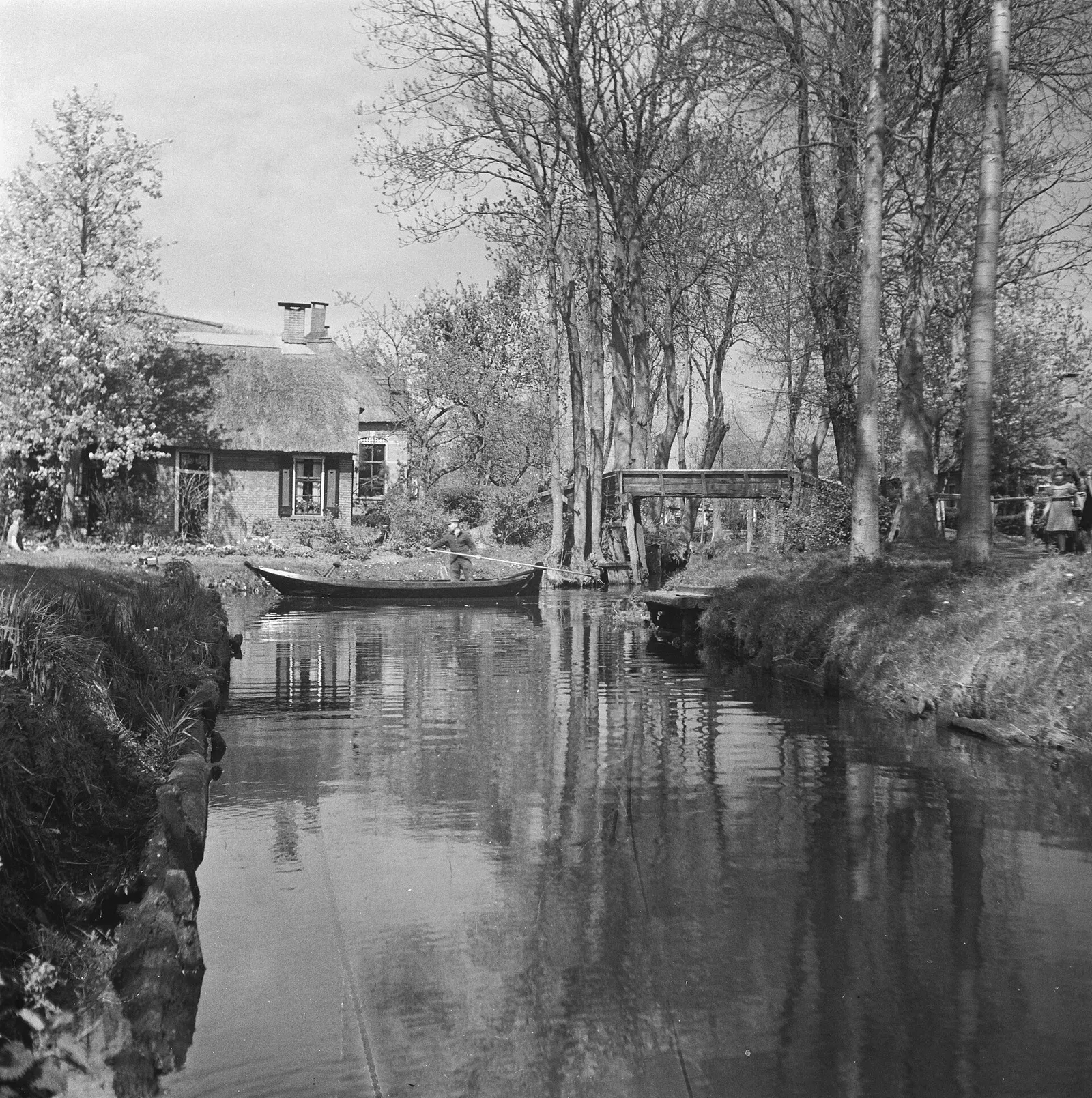
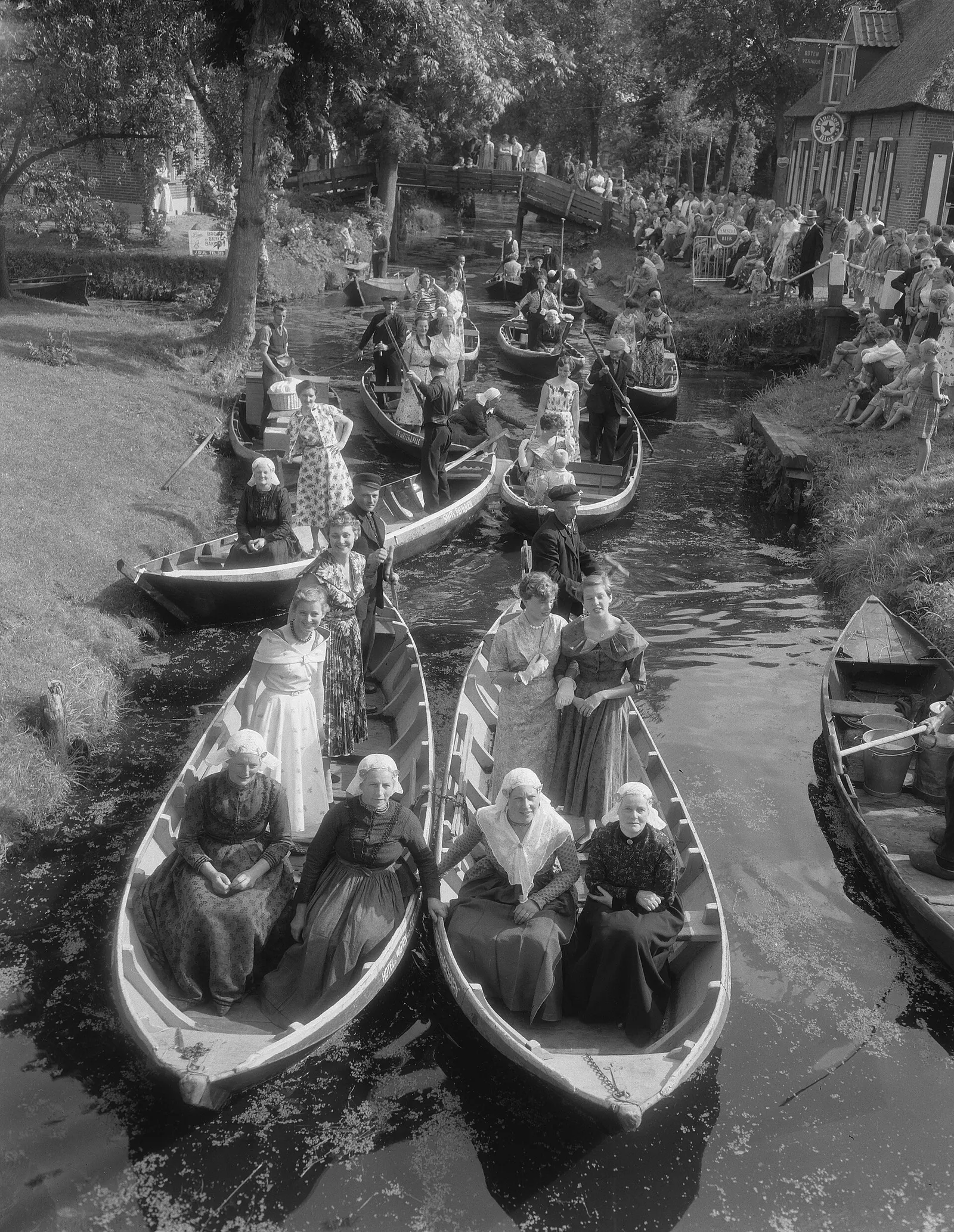
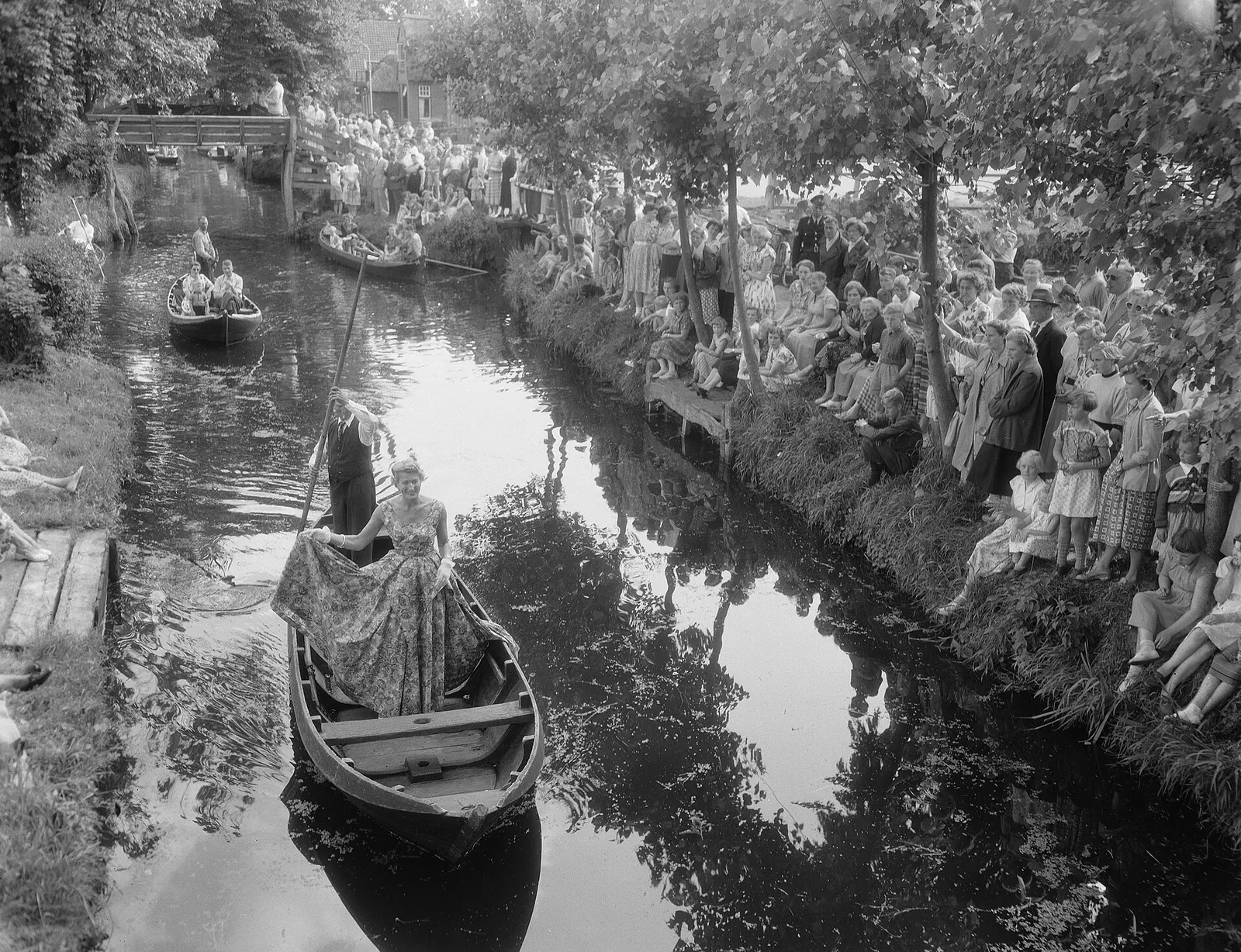
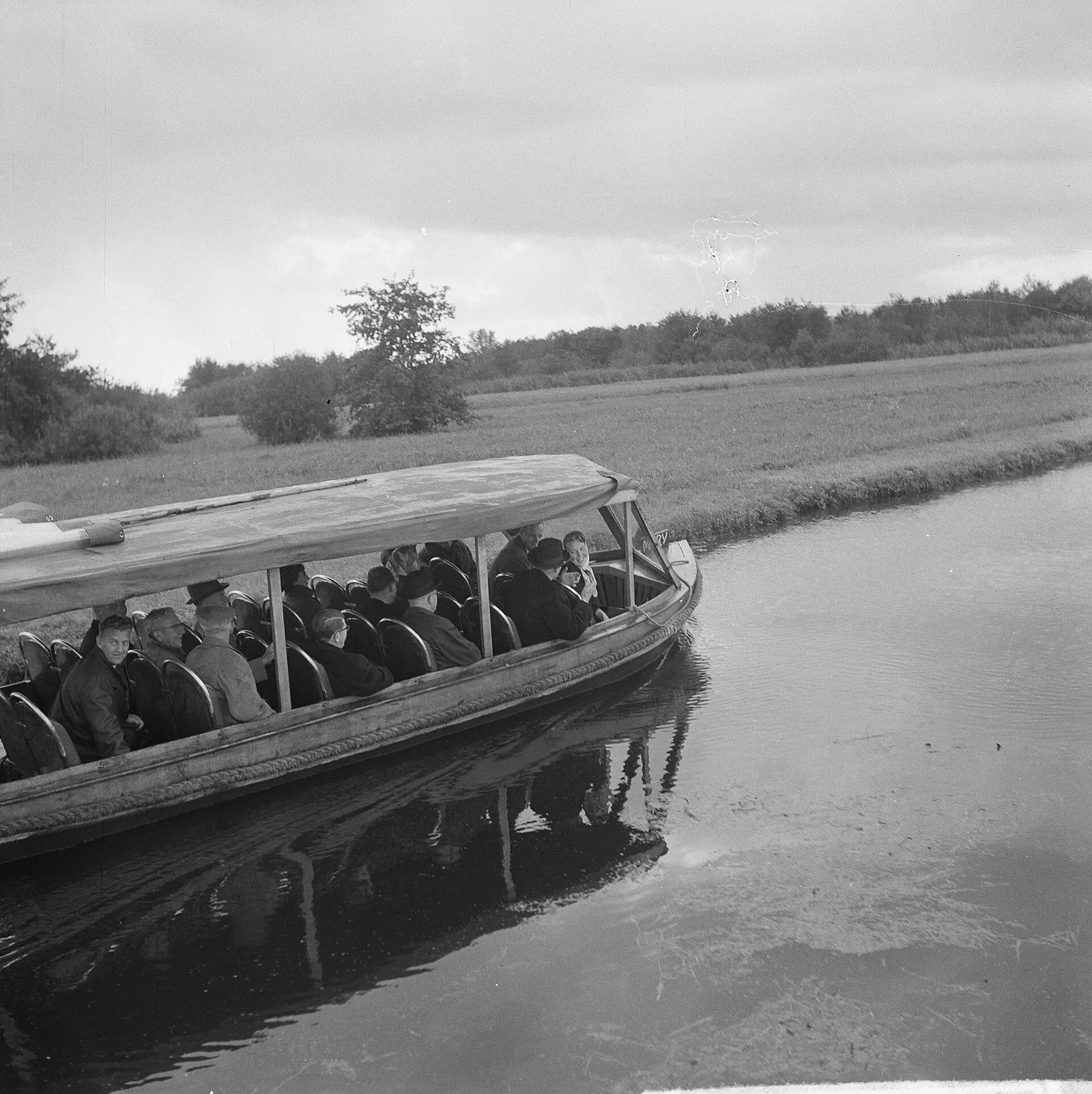
These photos from the Dutch National Archives show how little has changed in eighty years: the same canals, the same bridges, the same thatched roofs. Only the punters have become quieter.
Facts
Giethoorn in numbers
Over 176 bridgesMostly private; every farmhouse has one.
Humpback farmhousesThatched roofs and a barn taller than the house.
About 2,900 residentsAnd well over a million visitors a year.
Weerribben-WiedenSome 6,000 hectares of fen around the village.
The Giethoorn punterOver 6 metres long, flat and narrow, pushed with a pole.
Fanfare, 1958The Bert Haanstra film that made the village famous.
Best time to visit
Beautiful in every season
SpringQuiet mornings, fresh colours and blooming nature.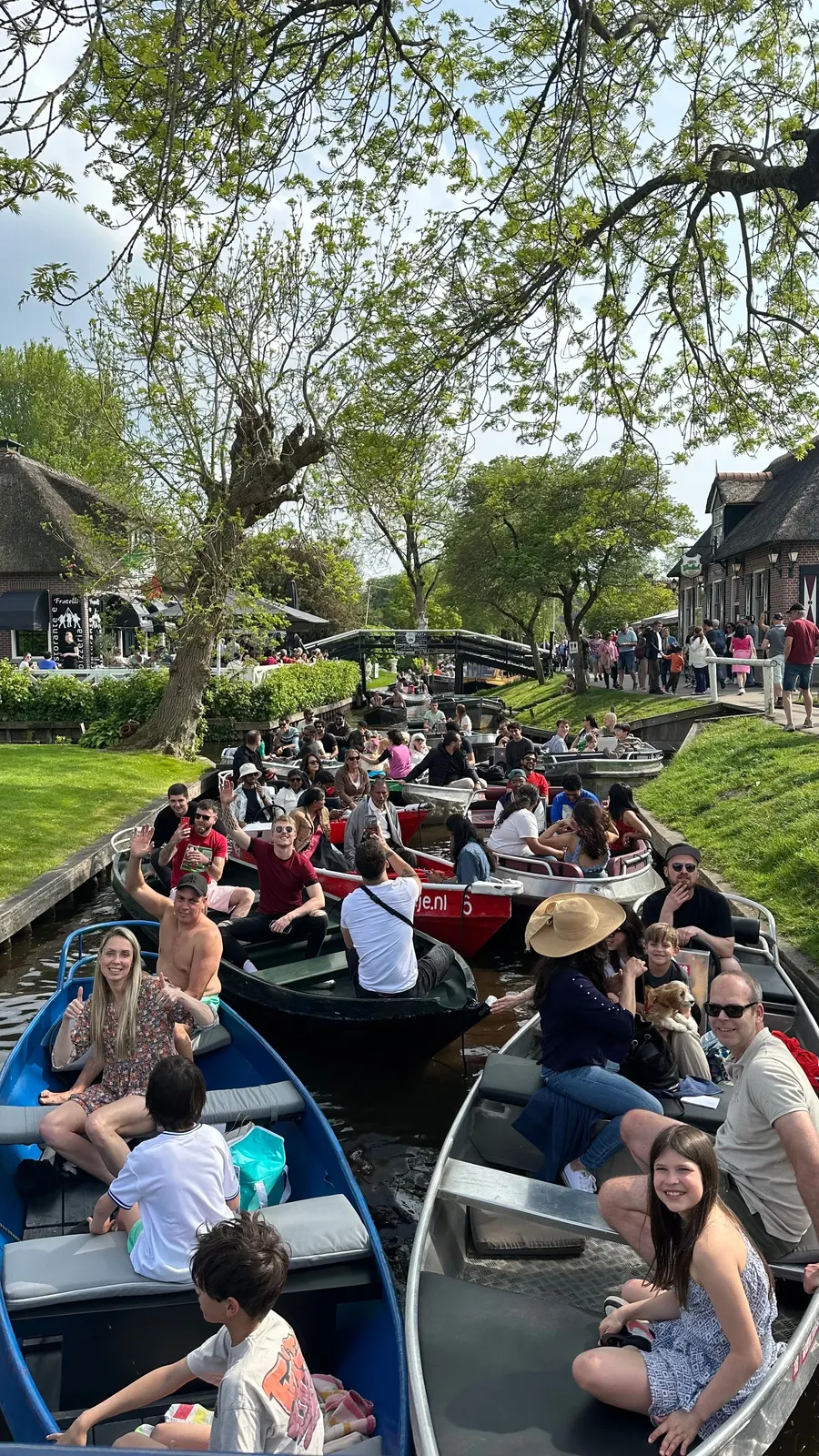 SummerLively atmosphere, warm weather and long days.AutumnGolden colours and peaceful waterways.
 WinterA calm and cosy village; cruise boats are heated.
Early morning and late afternoon are the most peaceful times to explore.
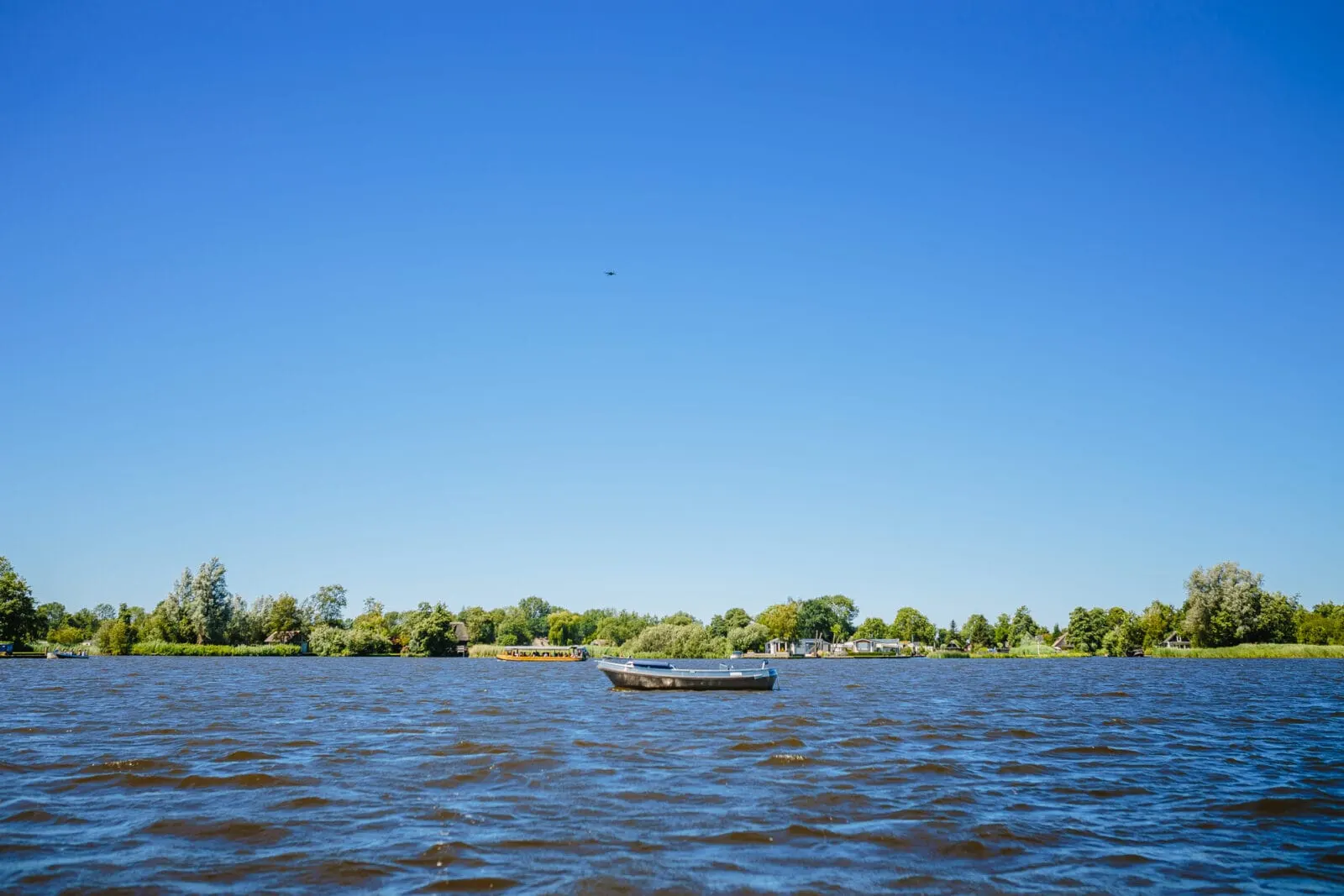
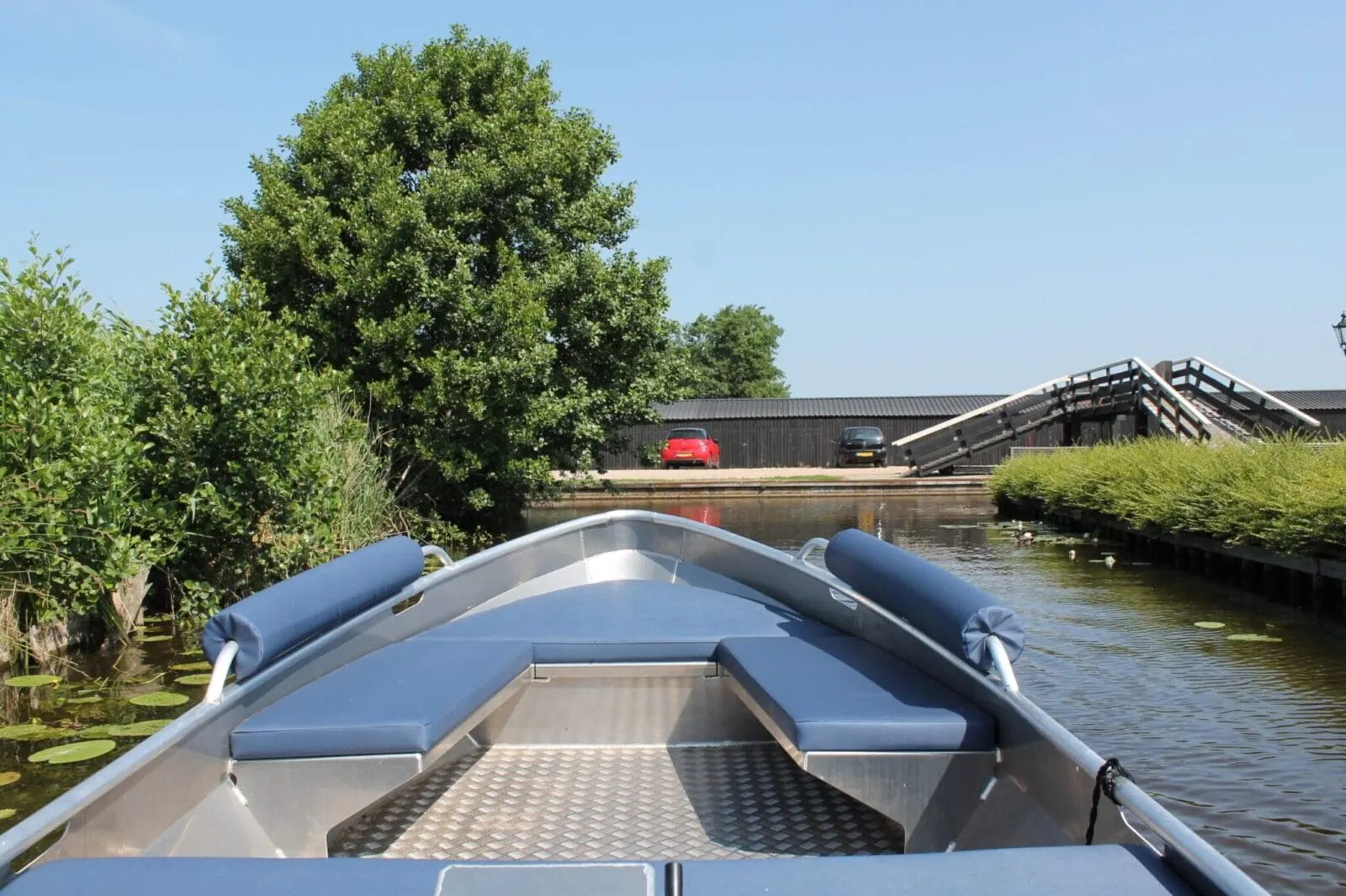
Giethoorn from the water
Coming from Amsterdam?
Daily direct coach from Amsterdam to Giethoorn. Return ticket €39, or €49 including a canal cruise.
Visiting with a group?
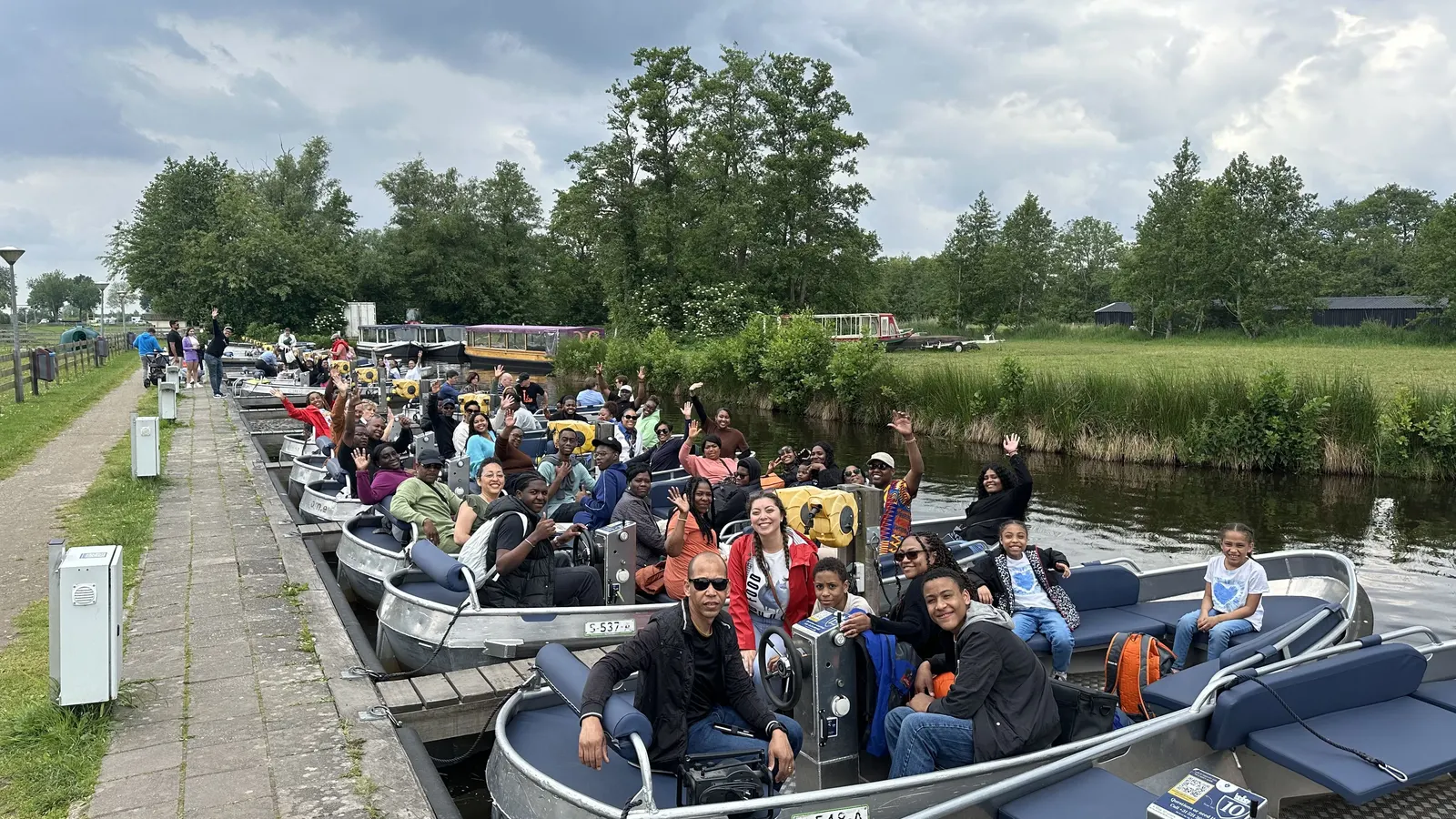
From 20 to 200+ guests: four large cruise boats, fast check-in, coach parking and lunch arrangements.
FAQ
Is Giethoorn worth visiting?
Yes, especially from the water. A village without roads, the little bridges and the thatched roofs are unique in the Netherlands. Come on a weekday or early in the day, when it is quiet and at its best.
Where is Giethoorn and how do you pronounce it?
Giethoorn is in the province of Overijssel in the north-east of the Netherlands, about an hour and a half from Amsterdam. It is pronounced roughly “GHEET-horn”, with a soft Dutch g.
Is Giethoorn a UNESCO World Heritage site?
No, Giethoorn is not on the UNESCO list, although many people assume so. It is a protected village landscape.
How many bridges are there in Giethoorn?
More than 176, most of them wooden and privately owned: almost every farmhouse has one. From the water you sail underneath them.
Is Giethoorn expensive?
Not really. Visiting the village is free, a canal cruise is € 10 per person and a boat for four starts at € 24 per hour, so € 6 per person. Parking with us is free.
How many days do you need in Giethoorn?
One day is enough for a boat, a walk along the Binnenpad and lunch by the water. Stay a night and you have the village to yourself in the morning.
Do you need tickets or a reservation for Giethoorn?
The village is free to enter. Reserve your boat or canal cruise in advance, especially at weekends and in school holidays, and it will be ready for you.
What should I wear in Giethoorn?
Comfortable shoes for the Binnenpad and a layer extra for the boat: on the water it feels a few degrees cooler. From October to April, bring a warm jacket.
Is there Uber or a taxi in Giethoorn?
Uber is not available here. Local taxis can be ordered by phone; from Steenwijk station bus 70 takes you to the village in 15 minutes.
Why is Giethoorn called the Venice of the North?
Because the old village has no through roads: houses sit on small islands connected by more than 176 little bridges, and the boat is the everyday means of transport. Unlike Venice it is quiet and green here, with thatched roofs instead of palaces.
Is Giethoorn really car-free?
The old centre along the Binnenpad is: you get there on foot, by bike or by boat. At the edge of the village, where we are, you park for free and step straight into a boat.
How were the canals and lakes formed?
By peat digging. To cut and carry away peat, people dug ditches and canals; the flooded pits merged during storm floods in 1775, 1776 and 1825 into lakes such as the Bovenwijde.
What is a punter?
The traditional Giethoorn boat: flat, narrow and just over six metres long, pushed with a pole. It once carried hay, reed and cattle; today you skipper a whisper-quiet electric boat yourself.
How much time do I need for Giethoorn?
Half a day is enough for a canal cruise and a walk along the Binnenpad. With a two- or three-hour boat, a museum and lunch by the water you have a full day. See things to do.
When is Giethoorn quietest?
On weekdays, early in the morning or after four o’clock, and outside school holidays. Our best time and crowds page shows how busy each day is.
From € 24 · per hourBook now